Cape gooseberry
Physalis peruviana L.
Description
The Cape gooseberry (Physalis peruviana L.) is a perennial herbaceous plant belonging to the Solanaceae family. Often confused with ornamental species, this crop is widely recognized for its edible, golden-orange berries that are encased in a papery husk, which acts as a natural protective shield.
Native to the high-altitude tropical regions of South America, the plant is now cultivated globally. Its range spans from the Andean countries to tropical and subtropical zones in Africa, Asia, and Oceania. In temperate climates, it is grown as an annual, as the plant is highly sensitive to frost.
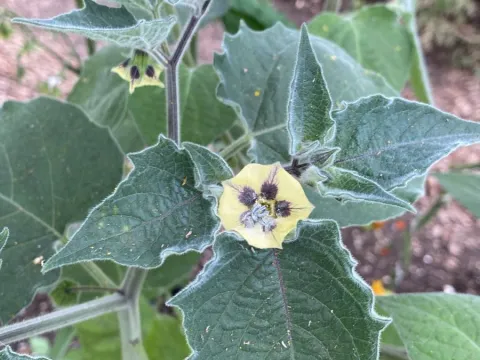
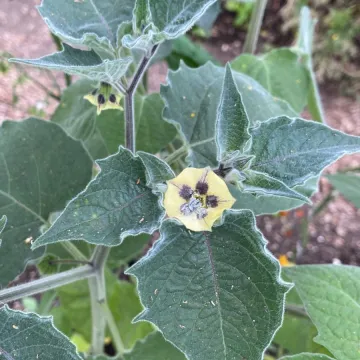
Botanically, it is a spreading bush that can reach a height of up to one meter. The leaves are heart-shaped and slightly fuzzy, and the yellow flowers possess distinctive dark purple-brown spots inside. The fruit is a smooth, spherical berry known for its sweet-tart flavor profile, often compared to a blend of tomato and pineapple.
Success in cultivation requires well-drained, fertile soil with a pH between 5.5 and 7.0. The crop thrives in full sunlight and warm temperatures. Key agricultural practices include providing consistent moisture, applying phosphorus-rich fertilizers during the fruit-set stage, and pruning excess side shoots to improve light penetration.
Economically, the Cape gooseberry is a valuable high-value crop. It is consumed raw, processed into jams, syrups, and chutneys, or used as a gourmet garnish. Common challenges for growers include:
- Pests: aphids, spider mites, and whiteflies.
- Diseases: bacterial wilt, leaf spot, and mosaic viruses.
Photo gallery