Physocarpus bracteatus
Physocarpus bracteatus
Description
Physocarpus bracteatus, commonly known as the Bracted Ninebark, is a deciduous shrub species belonging to the Rosaceae family. It is a distinctive plant often sought after by landscaping professionals for its compact growth habit and elegant flowering structure, making it a valuable addition to botanical collections.
The native distribution of this species is quite restricted, primarily found in the rocky mountain areas of Colorado, USA. Due to its limited natural range, it is considered a specialty plant. In cultivation, it demonstrates excellent resilience and can thrive in various temperate environments provided its specific site requirements are met.
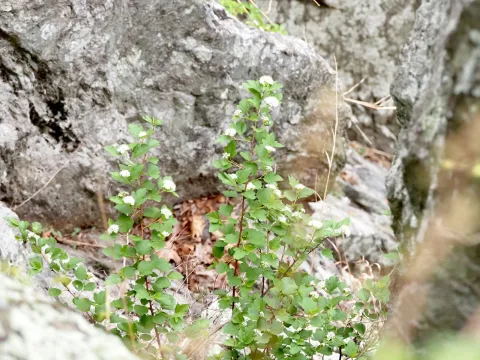
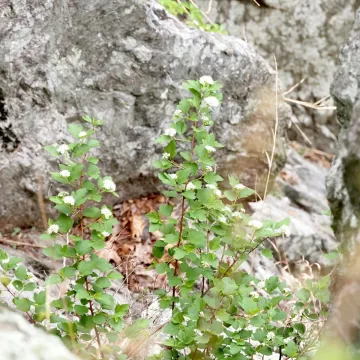
Botanically, the plant is characterized by its stiff, spreading branches and lobed leaves with serrated margins. The inflorescences are dense clusters of small, white flowers supported by prominent bracts, which provide the species with its scientific name. These blooms add significant aesthetic value to the garden during the late spring months.
The agronomic requirements for this shrub include well-draining soil and a position that receives full sun to light partial shade. While it is hardy, young plants benefit from consistent moisture until they are established. Regular pruning is recommended to maintain the plant's shape and to encourage denser foliage production.
- Adaptable to a range of soil pH levels.
- High tolerance to cold winter temperatures.
- Beneficial to local pollinator populations.
- Low maintenance after establishment.
Physocarpus bracteatus is primarily utilized in ornamental landscaping for hedging, borders, or as a focal point in small gardens. While generally robust, gardeners should be vigilant against common pests like aphids and diseases such as powdery mildew in areas with poor airflow. Proper spacing during planting is a key preventive measure against these issues.
Photo gallery