Mallow-leaved ninebark
Physocarpus malvaceus
Description
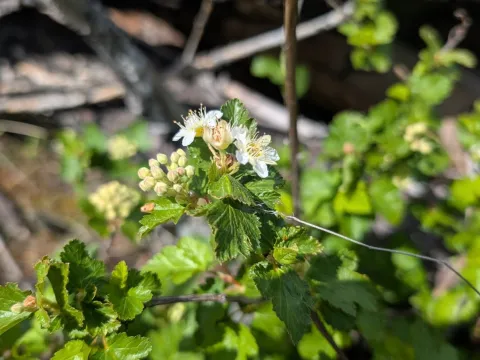
Mallow-leaved ninebark (Physocarpus malvaceus) is a deciduous shrub species within the Rosaceae family. Known for its distinct foliage and resilient nature, it is a significant plant in both ornamental horticulture and native vegetation management systems.
The species is native to western North America, ranging across varied terrain from mountainous regions to shrublands. Its evolutionary history has equipped the plant with high tolerance to cold climates and moderate drought, allowing it to thrive in environments where other ornamental shrubs might struggle.
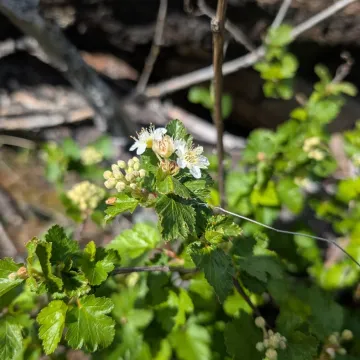
Botanically, Physocarpus malvaceus is defined by its mallow-like leaves, distinct peeling bark on older stems, and white-to-pinkish flower clusters appearing in late spring. These features provide structural diversity in landscape plantings throughout the growing season, transitioning from flowering to fruit development.
Cultivation requires well-drained, fertile soil, ideally with a slightly acidic to neutral pH level. While the plant is drought-tolerant once established, supplemental irrigation during the initial planting stages and annual nitrogen-based fertilization can significantly improve vegetative growth and flowering intensity.
The economic and ecological utility of the plant includes its role as a pollinator habitat and its ability to serve as a durable screening element in landscaping. Growers should remain vigilant regarding standard plant health issues, including:
- Powdery mildew under high humidity conditions.
- Leaf chlorosis due to high soil alkalinity.
- Aphids and leaf rollers, which can occasionally impact foliage quality.
Photo gallery