Pacific ninebark
Physocarpus capitatus
Description
Pacific ninebark (Physocarpus capitatus) is a deciduous shrub species belonging to the Rosaceae family. Renowned for its resilience and unique floral structure, this plant is a staple in native plant gardens across the Pacific Northwest. Its common name refers to the bark, which peels off in thin, papery layers, giving the stems a distinctive appearance.
The species is native to western North America, ranging from Alaska to California. It typically thrives in moist environments, including streambanks, wet meadows, and forest margins. Its natural adaptability to various light conditions, from full sun to dappled shade, makes it a versatile candidate for restoration projects and garden cultivation.
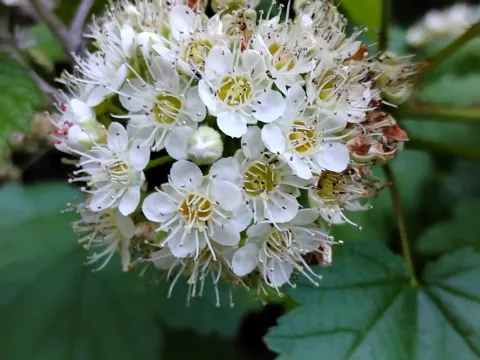
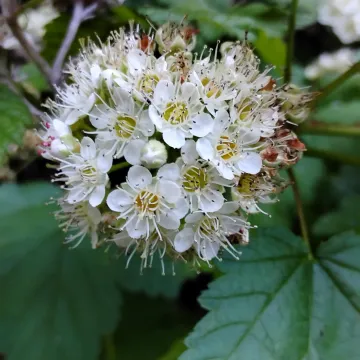
Botanically, Physocarpus capitatus features lobed, serrated leaves and hemispherical clusters of small, white to pinkish flowers that bloom in late spring. These flowers are highly attractive to native pollinators, including bees and butterflies. Following the flowering period, the plant produces inflated, reddish seed pods that provide additional visual interest in the landscape.
Cultivation requirements focus on moisture and soil quality. The shrub prefers rich, slightly acidic to neutral, well-draining soils. While it exhibits good drought tolerance once established, periodic irrigation during hot summer spells will maximize growth rates and floral density. Pruning should be handled after flowering to maintain a desirable shape and encourage the growth of new, vibrant branches.
- Watering: consistent moisture for young plants.
- Soil type: loamy, fertile, and well-drained.
- Sun exposure: prefers full sun or partial shade.
- Hardiness: excellent tolerance to cold temperatures.
Regarding its utility, the Pacific ninebark is extensively utilized in landscaping for slope stabilization, screening, and as a naturalistic accent in mixed shrub borders. It is generally resistant to significant diseases; however, gardeners should monitor for common pests like aphids or signs of powdery mildew in stagnant air conditions. Proper spacing and airflow are key to preventing these minor horticultural issues.
Photo gallery