Piliostigma reticulatum
Piliostigma reticulatum
Description
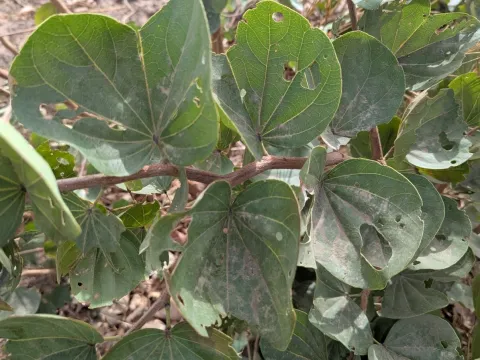
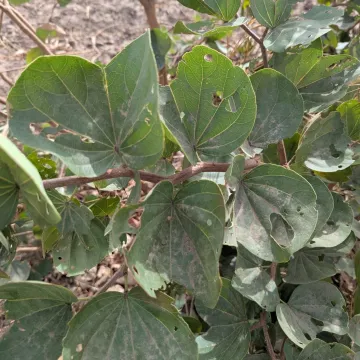
Piliostigma reticulatum is a species of flowering plant in the Fabaceae family, commonly known as the camel's foot tree. It is a vital multipurpose woody legume widely utilized in the Sahelian regions of Africa, where it plays a critical role in ecological restoration and sustainable farming systems.
The plant originates from the tropical savanna regions of West and Central Africa. It typically grows as a multi-stemmed shrub or a small tree. Its most distinguishing botanical feature is its leathery, butterfly-shaped leaves and long, indehiscent, woody pods that remain on the branches for extended periods, providing a consistent supply of organic material.
Piliostigma reticulatum is highly resilient, thriving in poor, sandy, and nutrient-deficient soils where other crops fail. It is well-adapted to semi-arid climates, exhibiting significant drought tolerance. The plant requires full sunlight to achieve optimal canopy growth, making it a perfect candidate for agroforestry systems that integrate field crops with woody vegetation.
Agronomic management involves seed scarification to break dormancy and improve germination rates. In traditional farming, the plant is often managed through pollarding or coppicing, where branches are pruned to provide green manure for the crops growing beneath the canopy. This practice significantly enhances soil moisture retention and provides a source of nitrogen fixation.
The plant has extensive economic and practical applications:
- Providing high-quality firewood and charcoal for local energy needs.
- Supplying nutrient-rich mulch to maintain soil fertility in crop fields.
- Serving as an emergency fodder source for livestock during the dry season.
- Utilizing various plant parts in traditional ethnopharmacological medicine.
Regarding health management, the crop is generally hardy. However, it can be prone to seed-feeding beetles and pod-boring insects. In areas with high humidity, leaf spot fungi may occur, though these are typically not lethal. Maintaining proper tree spacing and avoiding stagnant water around the root zone helps prevent most common pathogenic issues.
Photo gallery