Texas ebony
Pithecellobium flexicaule
Description
Texas ebony (Pithecellobium flexicaule) is a significant woody species belonging to the Fabaceae (bean) family. It is a slow-growing evergreen tree or large shrub highly valued for its dense, dark, and extremely durable heartwood. In the agricultural sector, it is recognized for its exceptional adaptation to harsh, arid environments where other species struggle to establish.
Originating from the semi-arid regions of Texas and Mexico, this species has evolved to thrive in hot, sun-drenched landscapes. Its natural distribution is largely concentrated in thorn scrub forests. Given its drought-tolerant nature, it has become a popular choice for xeriscaping and large-scale environmental projects aimed at restoring native vegetation in desert-like conditions.
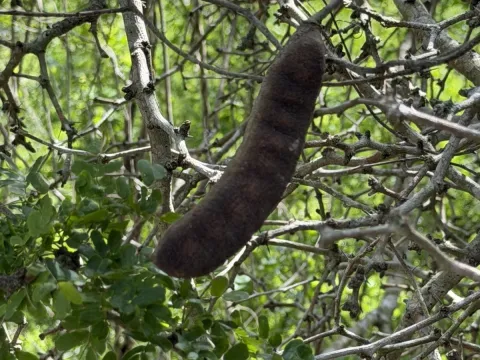
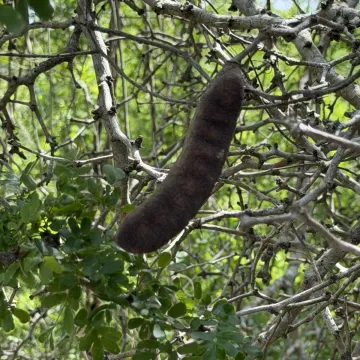
The botanical structure of the plant is defined by its bipinnate leaves and zigzagging branches, which give the tree a distinctive, textured appearance. The flowers are cream-colored, fragrant, and ball-like, attracting various pollinators. The fruit consists of flattened, thick woody pods that protect the seeds from extreme heat and ensure successful reproduction under stressful climatic conditions.
Cultural requirements are quite specific but manageable. The plant demands well-draining soil and full sun exposure to maintain its health and structural integrity. Overwatering is the primary cause of failure; thus, the soil must be allowed to dry out completely between irrigations. Once established, this tree requires almost no supplemental fertilization or watering, making it a low-maintenance agricultural crop.
Economic and utility-based applications include:
- High-quality lumber production for fine furniture and wood carving.
- Establishment of living fences and windbreaks in arid agricultural zones.
- Urban forestry and landscaping due to its resilience and aesthetic value.
- Soil conservation and stabilization efforts in prone-to-erosion areas.
Common plant health concerns usually involve root rot or fungal issues primarily caused by improper soil drainage. Pests such as scales and spider mites can occasionally affect the foliage during periods of extreme heat and drought. However, regular monitoring and adherence to strict watering protocols effectively prevent these issues, ensuring long-term vigor and growth for the trees.
Photo gallery