Pithecellobium pachypus
Pithecellobium pachypus
Description
Pithecellobium pachypus is a prominent tree species belonging to the Fabaceae family, recognized for its role in tropical silviculture. As a leguminous plant, it possesses the ability to fix atmospheric nitrogen, which contributes significantly to soil fertility. Its structural characteristics make it a valuable asset in agroforestry systems throughout its native range.
The species is native to the tropical zones of Central and South America. It is naturally distributed in regions characterized by distinct wet and dry seasons. Currently, the tree is cultivated in various tropical climates worldwide, where it adapts well to diverse landscape conditions, often serving as a pioneer species in reforestation projects.
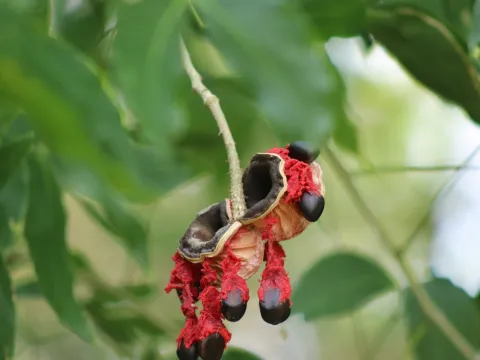
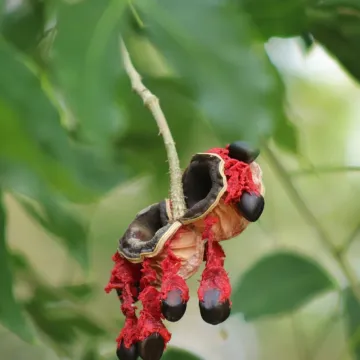
Botanically, Pithecellobium pachypus is characterized by its hardy woody structure and finely divided pinnate leaves. The flowering process results in cluster-like inflorescences, followed by the development of contorted pods containing seeds. The root system is robust and deep-reaching, providing excellent anchorage and resistance to physical stress in diverse soil types.
Agronomic requirements emphasize the need for well-draining soils with adequate nutrient profiles. The tree performs best in warm, humid climates with ample sunlight exposure. Standard horticultural practices involve adequate irrigation during the juvenile stage and strategic pruning to encourage a healthy canopy structure and optimal growth rate.
The economic value of this tree is multi-faceted. Its timber is utilized for artisanal construction and local wood-based products. Furthermore, the species is frequently used in environmental restoration to combat soil degradation. The following list highlights its key roles in agriculture:
- Soil improvement via nitrogen fixation.
- Windbreak and shelterbelt formation.
- Erosion control on sloped terrains.
- Potential use as sustainable woody biomass.
Pathological concerns involve occasional fungal infections, particularly in environments with poor drainage and high humidity. Common insect pests include borers and leaf-eating caterpillars, which require managed control programs. Farmers are advised to implement proactive monitoring systems to maintain tree health and ensure long-term productivity of the plantation.
Photo gallery