Plagiobothrys humistratus
Plagiobothrys humistratus
Description
Plagiobothrys humistratus is an annual herbaceous plant species belonging to the Boraginaceae family. Known for its specific habitat requirements, this plant is an integral part of the flora in regions characterized by seasonal hydrological cycles, often found in vernal pool ecosystems and moist meadows where environmental conditions vary significantly throughout the year.
The native range of this plant is primarily located in western North America, particularly throughout parts of California. Its distribution is strictly tied to specific ecological niches that experience winter and spring flooding followed by summer drought. The species has successfully adapted to these extreme fluctuations, making it a focus for conservationists studying habitat resilience.
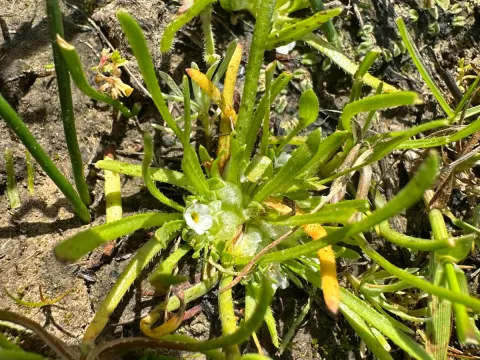
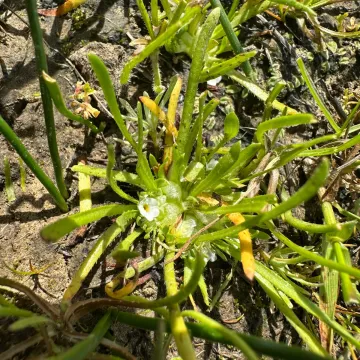
Botanically, Plagiobothrys humistratus is characterized by its prostrate or ascending stems, which are typically covered in fine, rigid hairs. The leaves are generally narrow, and the flowers are small and white, typical of the Boraginaceae family, arranged in characteristic coiled cymes. These structures are optimized for efficient pollination and seed dispersal in wetland environments.
Cultivation requirements for this species demand careful management of soil and moisture. It thrives in clay-heavy soils that exhibit high water-retention capacity during the germination phase. Agronomic success relies on mimicking natural hydrological regimes; excessive drainage or over-fertilization can disrupt the plant's development and its symbiotic relationship with local soil microbes.
Regarding its utility, Plagiobothrys humistratus is primarily employed in ecological restoration projects rather than commercial agriculture. It is valued for its ability to stabilize soil in seasonally wet areas and its contribution to local pollinator biodiversity. Typical pests and diseases are minimal, as the plant has evolved strong defenses against pathogens common in native wetland habitats.
- Highly adapted to seasonal inundation cycles.
- Critical for soil stabilization in vernal habitats.
- Important source of nectar for native insect species.
Photo gallery