Plagiobothrys lamprocarpus
Plagiobothrys lamprocarpus
Description
Plagiobothrys lamprocarpus is an annual herbaceous plant belonging to the Boraginaceae family. While not cultivated as a mass-market agricultural crop, this species is recognized by botanists and conservationists for its specific role in local ecosystems and its unique biological properties within the Borage family.
The plant is native to the western regions of North America, specifically occurring in parts of California and Oregon. Its natural range is restricted to specialized environments, such as vernal pools, seasonal wetlands, and low-lying meadows where seasonal moisture is abundant in the early part of the year but decreases significantly during the summer months.
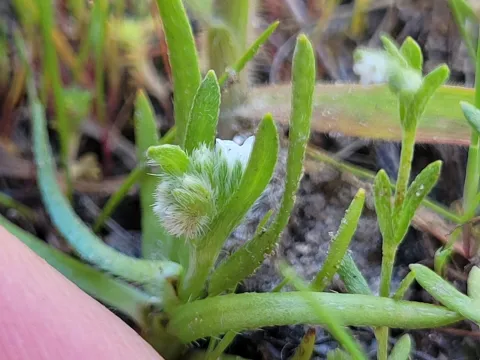
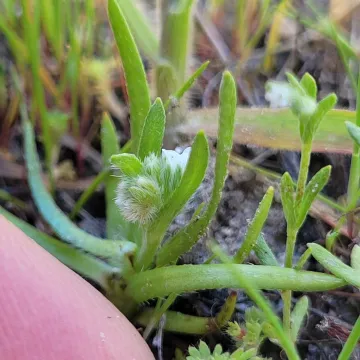
Botanically, Plagiobothrys lamprocarpus is characterized by its hairy, pubescent stems and foliage. The flowers are small, typically white, and arranged in the characteristic coiled cymes common to its family. Its specific epithet, lamprocarpus, refers to the shiny, smooth appearance of its nutlets, which are distinctively polished and hard-cased.
The plant has precise ecological requirements, particularly concerning soil composition and hydration. It thrives in heavy clay soils that are capable of holding water through the winter and spring. From an agronomic or restoration perspective, managing the hydrological regime is critical; the plant requires consistent moisture for germination and early vegetative growth, followed by a dry period for seed maturation.
Economically, this species is not cultivated for human consumption or livestock fodder. Its primary use lies in biodiversity conservation and habitat restoration projects. It serves as an important floral resource for native pollinators in its habitat. Typical pests and diseases are generally those that affect wild Boraginaceae species in natural settings, and standard control measures focus on maintaining habitat integrity rather than chemical application.
- Family: Boraginaceae
- Plant Type: Annual
- Native Habitat: Vernal pools/Wetlands
- Reproduction: Seed-based
- Ecological Status: Native species
Photo gallery