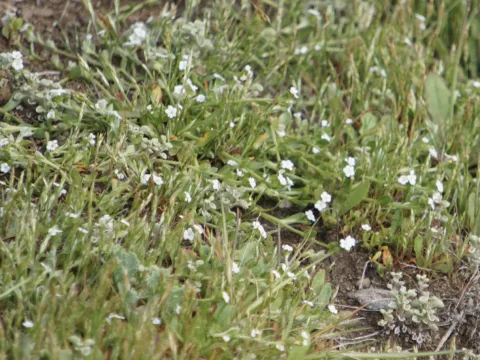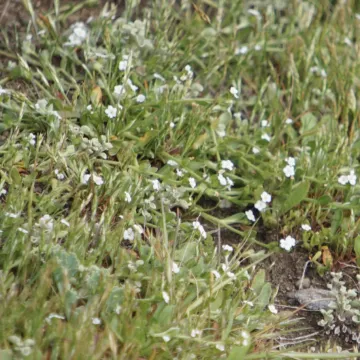
Net-seeded popcornflower
Plagiobothrys reticulatus
Description
Plagiobothrys reticulatus, commonly known as the net-seeded popcornflower, is an annual plant belonging to the Boraginaceae family. While not a primary crop for harvest, understanding its biological cycle is essential for farmers managing fields in regions where this species serves as a persistent weed or indicator species.
Originating from North America, this plant is primarily found in wetlands, vernal pools, and moist meadow environments. Its distribution is closely tied to specific hydrological patterns, making it a significant subject for agricultural land management in low-lying, periodically saturated areas.
Botanically, the species is recognized by its rough, hairy foliage and distinctive reticulated nutlets, which give it its common name. The plant typically reaches maturity during the spring season, thriving in heavy or poorly drained soils where other crops may struggle to compete.
Agronomic requirements center on soil moisture control. To manage the growth of this species, agricultural professionals utilize deep plowing and tile drainage to reduce the surface saturation that triggers germination. Maintaining competitive crop density is also an effective cultural practice to suppress its development.
In terms of agricultural impact, the plant rarely poses a massive economic threat but can compete for nutrients in specific moisture-rich zones of a field. Typical diseases include fungal pathogens that thrive in wet conditions, while pests often include generalist insect species that inhabit Boraginaceae, causing minimal but observable damage to the plant structure.
Photo gallery