Pleioblastus simonii
Pleioblastus simonii
Description
Pleioblastus simonii is a perennial evergreen plant belonging to the grass family (Poaceae), specifically the bamboo subfamily. Known for its robust and vigorous growth, this bamboo species is highly valued in horticulture for its ability to form tall, dense thickets that can reach heights of several meters, making it an excellent choice for screening.
Originating from East Asia, particularly Japan and China, this plant is naturally adapted to moist, temperate forest environments. Its reputation as a hardy bamboo has allowed it to spread globally, where it is cultivated in a variety of climatic zones, provided there is protection from extreme temperature fluctuations in the northernmost regions of its range.
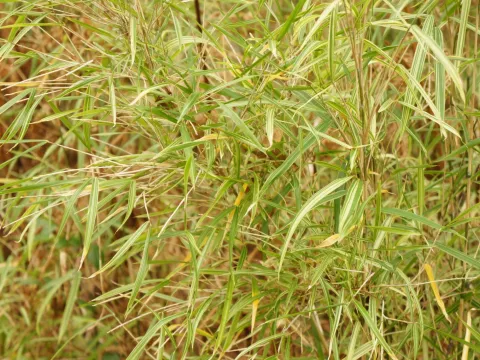
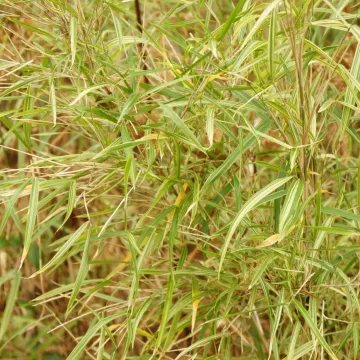
Botanically, it features sturdy, upright culms and narrow, lance-shaped leaves that maintain their green color throughout the year. The plant spreads via an underground rhizome system, which is quite aggressive. Growers must consider installing root barriers during planting to prevent the plant from encroaching upon other areas of the garden or neighboring properties.
Agrotechnical requirements for success include well-draining, nutrient-rich soil with consistent moisture. While the plant is drought-tolerant once established, supplemental watering during hot, dry spells is essential for maintaining vibrant foliage. Fertilization with a nitrogen-rich formula in early spring significantly boosts the annual production of new culms.
Key areas of хозяйственное (economic) use include:
- Establishment of privacy screens and windbreaks.
- Soil stabilization and erosion control on embankments.
- Decorative use in Asian-inspired landscape architecture.
- The culms can be used as lightweight support stakes in gardening.
Common pests include bamboo mites and aphids, which can damage the leaves if left untreated. Disease-wise, the most frequent issue is root rot, which occurs in waterlogged or poorly drained soils. Managing the plant’s health requires good air circulation, appropriate soil drainage, and occasional thinning of the oldest culms to ensure the health of the entire grove.
Photo gallery