Pleioblastus variegatus
Pleioblastus variegatus
Description
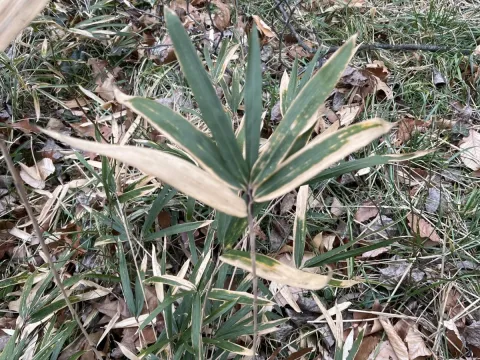
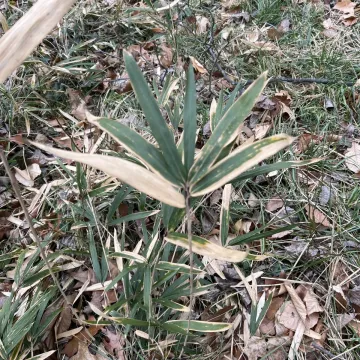
Pleioblastus variegatus, commonly referred to as dwarf white-striped bamboo, is a low-growing perennial member of the grass family (Poaceae). This plant is highly prized in horticulture for its striking foliage, which features distinct creamy-white to yellow stripes against deep green leaves, providing a bright and vibrant aesthetic to gardens throughout the growing season.
The plant originates from the regions of East Asia, specifically Japan. As an introduced ornamental species, it has been successfully cultivated in various parts of the world with temperate and subtropical climates. It is particularly valued for its ability to adapt to different light conditions, although its variegation is most intense when exposed to partial sunlight.
Botanically, this bamboo is characterized by its creeping rhizome system, which allows it to spread rapidly and form dense, carpet-like colonies. The stems, or culms, are typically slender and reach heights of 30 to 60 centimeters. The leaves are narrow and lance-shaped, forming a thick canopy that effectively suppresses competing weed growth in the area where it is established.
Cultivation requirements for optimal growth include:
- Soil: moist, fertile, and well-drained soil with a slightly acidic to neutral pH.
- Watering: consistent irrigation is necessary, as the plant does not tolerate prolonged drought.
- Hardiness: generally hardy, though it benefits from mulch protection in colder climates during winter.
- Management: installation of rhizome barriers is recommended to control its invasive spreading habit.
In landscaping, Pleioblastus variegatus serves primarily as an ornamental ground cover. It is ideal for edging paths, planting along water features, or adding texture to shaded garden areas. Its fast growth rate makes it an excellent choice for stabilizing soil on slopes and providing year-round visual interest in diverse planting schemes.
The plant is relatively robust, but it can be susceptible to root rot in waterlogged soils with poor drainage. Common pests include spider mites, which may infest the foliage during hot and dry spells. Maintaining soil health, ensuring adequate air circulation through periodic thinning, and applying balanced fertilizers will help prevent disease and keep the bamboo looking its best.
Photo gallery