Pulicaria microcephala
Pulicaria microcephala
Description
Pulicaria microcephala is a herbaceous plant species belonging to the Asteraceae family. While not a conventional staple crop, it is of interest in specialized agriculture due to its unique secondary metabolites and ability to thrive in harsh environments. This species is valued primarily for its pharmacological and industrial potential.
The plant originates from arid and semi-arid regions, where it has evolved to survive in extreme thermal conditions. Its distribution area typically includes rocky or saline soils where many other cultivated species fail to establish. This ecological resilience makes it a subject of interest for sustainable land management in challenging environments.
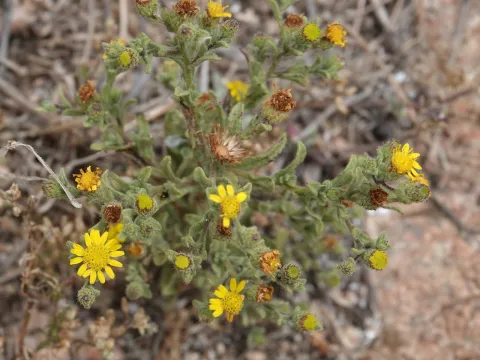
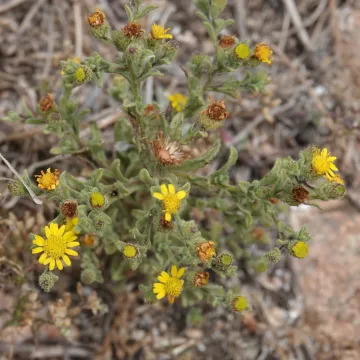
Botanically, Pulicaria microcephala is characterized by a taproot system and a dense canopy of foliage covered in trichomes. These hairs serve a critical role in minimizing water loss and protecting the plant from intense solar radiation. The flower heads are small, with the descriptive name "microcephala" referring to the compact size of these reproductive structures.
From an agronomical perspective, the plant requires excellent soil drainage to prevent root rot. It is well-suited to Mediterranean-like climates with hot, dry summers. During the cultivation process, minimal fertilization is typically required, as the plant is adapted to nutrient-poor substrates. Weed control is essential during the early establishment phase to ensure the crop takes root effectively.
The primary economic use of this plant is the extraction of essential oils and specialized compounds for medicinal applications. Potential pests include aphids and mites, which can be managed through integrated pest management strategies. Due to its natural chemical defenses, the plant is relatively resistant to many common fungal pathogens found in high-moisture agricultural fields.
Photo gallery