Pulicaria odora
Pulicaria odora
Description
Pulicaria odora is a perennial herbaceous plant belonging to the Asteraceae family. Known for its distinct fragrance and medicinal properties, this species is increasingly recognized as a specialized crop in regions with Mediterranean climates. It represents an important resource for sustainable herbal production due to its low input requirements.
The native range of this plant is primarily concentrated in the Mediterranean basin. It thrives in open, rocky, and sun-drenched habitats. In an agricultural setting, it demands high solar exposure and excellent drainage, mirroring its natural environment. Successful cultivation depends on mimicking these conditions to ensure healthy growth and essential oil production.
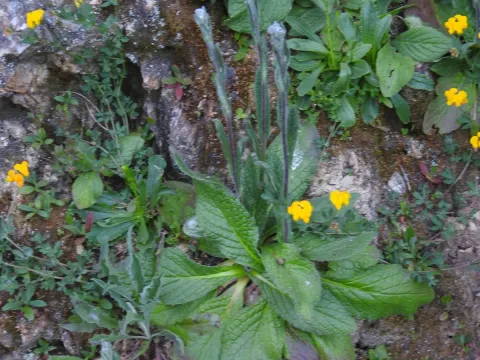
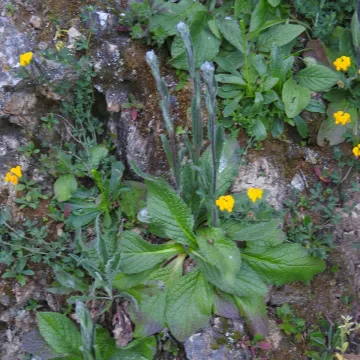
The botany of the plant features sturdy, pubescent stems and alternate leaves. The vibrant yellow flower heads, appearing in clusters during the summer, are not only visually striking but also attract beneficial pollinators. The root system is resilient and well-adapted to surviving in lean, stony substrates, which contributes to the plant's overall longevity.
Soil requirements for Pulicaria odora are quite specific: it prefers neutral to slightly alkaline, well-drained soils. Agricultural management practices should focus on avoiding waterlogging, which is the primary cause of crop failure. Minimal fertilization is typically sufficient, as the plant is adapted to nutrient-poor environments, and excessive nitrogen can reduce the quality of aromatic compounds.
Economic and practical applications include:
- Extraction of essential oils for the fragrance and cosmetic industries.
- Production of traditional botanical repellents.
- Use in xeriscaping and drought-tolerant landscaping projects.
- Research into pharmacological applications of its phytochemical compounds.
Common pests and diseases include root rot, particularly in poorly drained fields, and aphid infestations that can target young foliage. Effective management strategies involve maintaining proper plant spacing to ensure airflow and preventing excessive soil moisture. Routine field monitoring and sustainable pest control measures are recommended to maintain high-quality herbal yields.
Photo gallery