Rollinia salicifolia
Rollinia salicifolia
Description
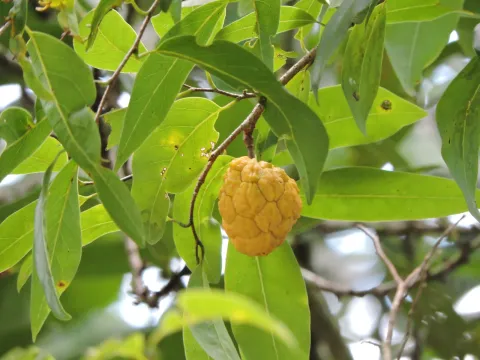
Rollinia salicifolia is a perennial fruit tree belonging to the Annonaceae family. This species is a close relative of the more widely known Rollinia deliciosa, though it is distinguished by its specific, willow-like foliage. It is an evergreen tree that can reach significant heights in its natural habitat, developing a dense and spreading canopy.
The plant originates from the tropical regions of South America, specifically within the river basins of Brazil, Paraguay, and Argentina. In its native range, the tree typically grows in humid forest environments. It is strictly adapted to a warm tropical climate and is highly intolerant of frost, which limits its commercial cultivation to frost-free regions with stable, warm temperatures.
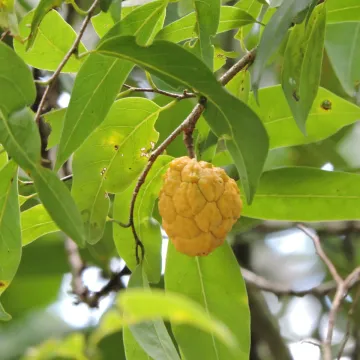
Botanically, the crop is characterized by lanceolate, leathery leaves and unique, aggregate fruits. The surface of the fruit is covered with soft, spine-like protrusions that become less pronounced as the fruit reaches maturity. The pulp has a creamy, delicate texture and a sweet flavor, making it a highly valued delicacy for local consumption in its native range.
Agronomic requirements include the need to maintain consistently high soil and air humidity. The tree prefers fertile, well-drained soils with a neutral to slightly acidic pH. For optimal fruit production, the tree requires ample sunlight, although young seedlings benefit from protection against intense midday sun. It is important to note that the root system is relatively shallow and sensitive to soil compaction and mechanical damage.
The primary economic use of Rollinia salicifolia is the harvest of its edible fruit, which is consumed fresh or processed into juices and desserts. Additionally, the wood is sometimes used in small-scale local craftsmanship. Typical pests include mealybugs and various species of fruit flies, while the most common diseases are fungal infections caused by excessive soil moisture and poor drainage in the root zone.
Photo gallery