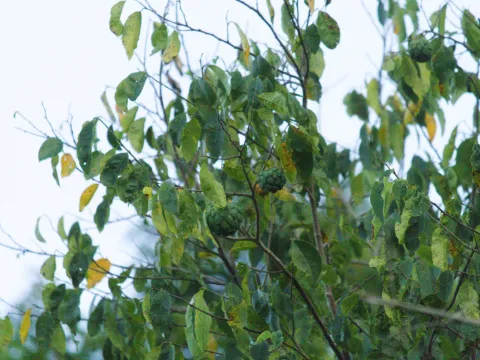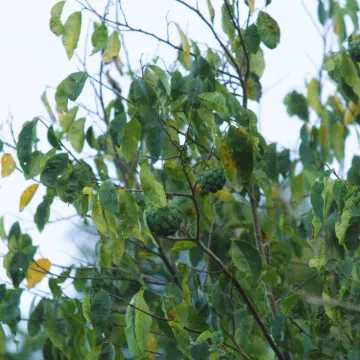
Rollinia sylvatica
Rollinia sylvatica
Description
Rollinia sylvatica is an evergreen fruit-bearing tree belonging to the Annonaceae family. It is a botanical relative of several well-known tropical fruits, including the soursop and cherimoya. The plant is primarily valued for its edible fruits and its role in maintaining tropical biodiversity within its native ecosystem.
The species originates from the tropical forests of South America, with a primary distribution in Brazil. It flourishes in areas characterized by high precipitation and warm temperatures throughout the year. While it remains largely a regional crop, it is increasingly recognized for its potential in small-scale sustainable agriculture and home gardens within tropical zones.
Botanically, Rollinia sylvatica features dense foliage with simple, alternate leaves. The flowers are typically distinct, possessing a unique structure common to the Annonaceae family. The fruits are aggregate, often covered in small fleshy protuberances. The interior pulp is creamy and aromatic, typically housing several dark, smooth seeds that are easily separated from the flesh.
Successful cultivation requires a climate that remains consistently warm, as the species is highly sensitive to frost. Ideal soil conditions involve deep, well-draining, and nutrient-rich substrates, preferably with a slightly acidic profile. Farmers should ensure adequate water management, as the tree requires constant soil moisture but cannot tolerate waterlogging, which may lead to root rot.
The economic and agricultural utility of this tree includes several key areas:
- Fresh fruit consumption as a healthy, nutrient-dense snack.
- Industrial use in producing tropical fruit purees, nectars, and beverages.
- Ornamental landscaping for gardens located in tropical or protected environments.
- Traditional medical practices where various plant parts are utilized for health benefits.
Common pests include fruit flies and scale insects, which can affect fruit quality and yield if not managed properly. Disease management primarily focuses on preventing fungal outbreaks through proper crown ventilation and sanitary practices. With proper integrated pest management, Rollinia sylvatica can thrive, offering significant yields in regions that mimic its natural forest habitat.
Photo gallery