Brown bog-rush
Schoenus ferrugineus
Description
Brown bog-rush (scientific name Schoenus ferrugineus) is a perennial herbaceous plant belonging to the Cyperaceae family. It is a highly specialized species that typically thrives in high-calcium, waterlogged environments such as calcareous fens. The plant is characterized by its ability to form dense, compact tussocks, which provide significant structural integrity to wet and unstable substrates.
The native range of this species extends across the temperate and boreal regions of Europe. While not a conventional commercial crop, the brown bog-rush is increasingly recognized for its environmental service potential. It is often found in ecological restoration projects aiming to revitalize degraded wetlands or protect sensitive riparian zones from erosion and nutrient runoff.
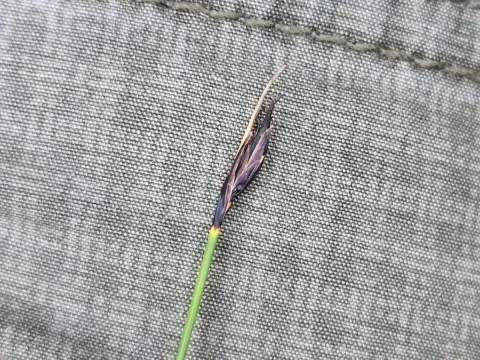
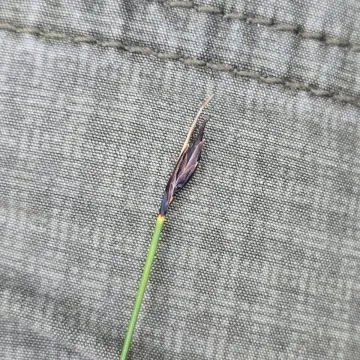
Botanically, the plant features narrow, rigid leaves and stems reaching up to 40 cm in height. The inflorescence consists of distinct, rust-colored spikelets, which give the plant its characteristic aesthetic. The root system is dense and fibrous, making it an excellent candidate for soil stabilization in saturated conditions where other plants might fail due to lack of oxygen or incorrect soil pH.
The success of this culture in an agricultural or conservation setting depends on precise environmental management. It requires sites with neutral to alkaline soil conditions and a constant supply of groundwater. In terms of cultivation techniques, minimal mechanical interference is required, as the plant is adapted to nutrient-poor soils. Over-fertilization should be strictly avoided to prevent the invasion of faster-growing, nitrogen-loving species.
Agricultural and environmental usage includes:
- Utilization in bio-filtration systems to manage runoff in agricultural areas.
- Stabilization of ditch banks and irrigation channels.
- Restoration of biodiversity in protected wetland areas.
Pests and diseases are rarely a limiting factor for this plant under natural conditions. The main threats to its viability include drainage of wetlands, peatland degradation, and pollution. Fungal infections might occur if the hydrological balance is disrupted, leading to stagnant conditions. Maintaining a steady flow of water through the rhizosphere is essential for plant health and long-term sustainability.
Photo gallery