Rose of Jericho
Selaginella lepidophylla
Description
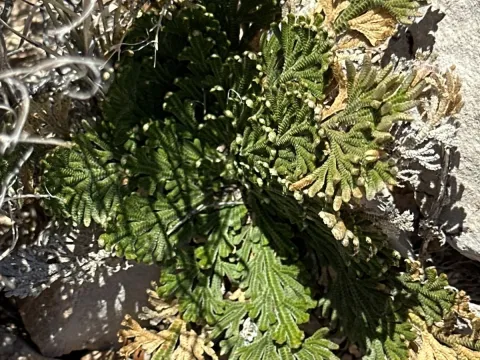
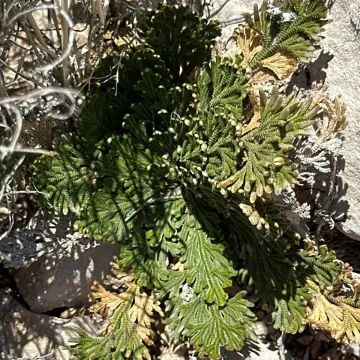
Selaginella lepidophylla, widely recognized as the Rose of Jericho or Resurrection Plant, is a fascinating member of the Selaginellaceae family. This primitive vascular plant has evolved unique physiological mechanisms that allow it to survive in the arid desert environments of North and Central America.
The native range of this species is centered primarily in the Chihuahuan Desert, spanning across Mexico and the United States. It naturally thrives on rocky, limestone slopes where rainfall is erratic. The plant's survival strategy is centered on its ability to desiccate completely and remain dormant for years until environmental conditions improve.
Botanically, the plant is characterized by its desiccation-tolerant tissues. When water is scarce, the leaves curl inward to form a tight, brown ball, protecting the internal biological structures. Once exposed to moisture, the fronds unfurl, and the plant regains its metabolic functions, a process that can occur repeatedly throughout its lifecycle.
Cultivation requires specific horticultural management to mimic its natural environment. Growers should provide a fast-draining, gritty soil mix to prevent root rot, as the plant is susceptible to fungal infections in overly moist, stagnant conditions. It prefers indirect, filtered light and moderate ambient temperatures during its active phase.
The main commercial and hobbyist use of Selaginella lepidophylla is as an ornamental curiosity. It is frequently sold as a "resurrection plant" for educational purposes, demonstrating extreme stress tolerance in plants. Typical pests include spider mites if kept in overly dry and poorly ventilated indoor settings, though it is generally disease-resistant.
- Extreme tolerance to desiccation.
- Requirement for excellent drainage.
- Minimal fertilization requirements.
- Unique rapid recovery from dormancy.
Photo gallery