Silvery moor grass
Sesleria argentea
Description
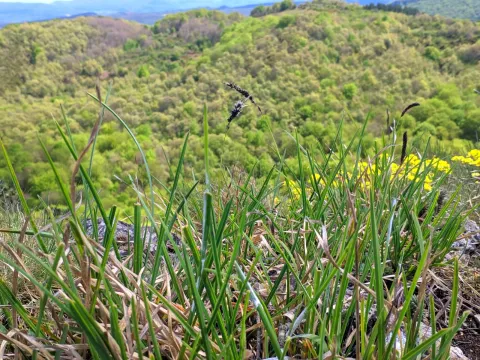
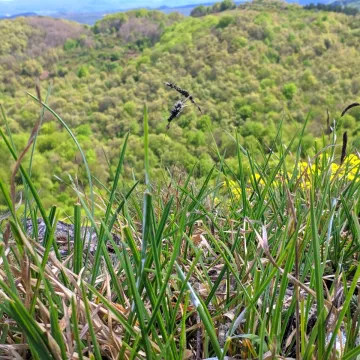
Sesleria argentea, commonly known as silvery moor grass, is a perennial plant belonging to the Poaceae family. This ornamental grass is highly regarded for its compact, tufted growth habit and its distinctive silvery-green foliage, which provides a clean and elegant appearance throughout the growing season.
The native distribution of this species is centered in the mountain regions of Southern and Central Europe, particularly in Italy and the Balkan Peninsula. Having evolved in rocky, calciferous habitats, the plant is naturally adapted to survive in harsh conditions with limited soil depth and moisture, demonstrating excellent drought tolerance.
Botanically, Sesleria argentea produces narrow, arching leaves that grow in tight clumps. During the late spring and early summer, it develops dense, silvery-white spike-like panicles that rise above the foliage. This structural beauty makes it a popular choice for designers seeking plants that provide visual interest without needing frequent maintenance.
Cultivation requirements for this grass include full sun to partial shade and well-draining, gritty, or alkaline soil. It is particularly well-suited for rock gardens, gravel beds, or as a decorative border plant. Agronomic care involves minimal intervention, primarily focusing on cutting back old growth in early spring to make way for new, fresh foliage.
Regarding health, the species is remarkably resilient and rarely faces significant pressure from pests or diseases. Its robust nature makes it a low-input, high-reward plant for various horticultural applications, contributing to its sustained popularity in modern sustainable gardening practices.
- Excellent drought resistance.
- Thrives in alkaline soils.
- Low maintenance requirements.
- High pest and disease resistance.
Photo gallery