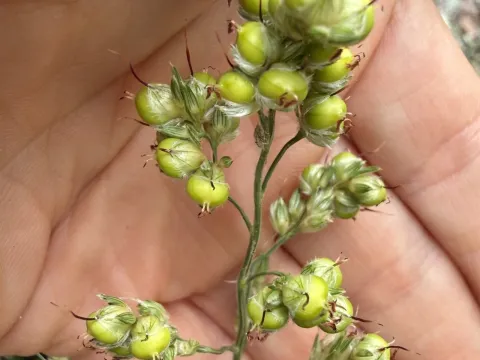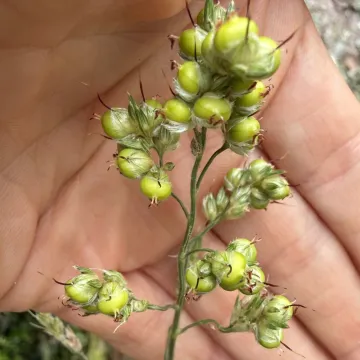
Sorghum nervosum
Sorghum nervosum
Description
Sorghum nervosum is an annual grass species belonging to the Poaceae family. Recognized for its agricultural value, this plant is primarily cultivated for its biomass production and utility as a resilient forage crop in challenging climatic environments.
The origin of Sorghum nervosum is traced back to the arid and semi-arid regions of Africa. Over time, the plant has successfully spread across various tropical and subtropical regions globally, becoming an essential component of agricultural systems in areas where other cereal crops fail due to limited water availability.
Botanically, the plant is characterized by a robust, deep-penetrating root system and tall, sturdy stems that can reach heights of over two meters. Its leaves are coated with a natural waxy layer, which acts as a protective barrier against transpiration, allowing the plant to maintain metabolic activity under intense heat and drought stress.
Agrotechnical requirements focus on warm soil temperatures for germination and consistent moisture during the early establishment phase. While the crop is tolerant to drought, it responds well to fertile, well-drained soils. Management practices typically include optimized planting density, weed suppression, and occasional nutrient supplementation to ensure maximum yield of silage or grain.
The primary agricultural use of Sorghum nervosum is the production of high-quality animal fodder. It is widely utilized for:
- Silage production for livestock maintenance.
- Green chop harvesting during peak growth seasons.
- Soil conservation as a cover crop in semi-arid zones.
In terms of plant protection, growers must monitor for common sorghum pests such as aphids and the European corn borer. Implementing integrated pest management strategies, including crop rotation and the use of resistant varieties, is critical to maintaining productivity and preventing economic losses throughout the growing cycle.
Photo gallery