Shining sorghum
Sorghum nitidum
Description
Shining sorghum (lat. Sorghum nitidum) is a perennial grass species belonging to the Poaceae family. This plant is known for its robust rhizomatous growth habit, which allows it to persist in various habitats and contribute significantly to ground cover. It is a member of the diverse Sorghum genus, showing specific adaptations to tropical and subtropical climates.
The native distribution of Sorghum nitidum extends across Southeast Asia, Australia, and parts of the Pacific Islands. Historically, it has been observed in diverse ecosystems, from grassy woodlands to open clearings. Due to its hardiness, the species has been identified as a candidate for grazing land improvement and soil stabilization projects in regions with compatible climatic conditions.
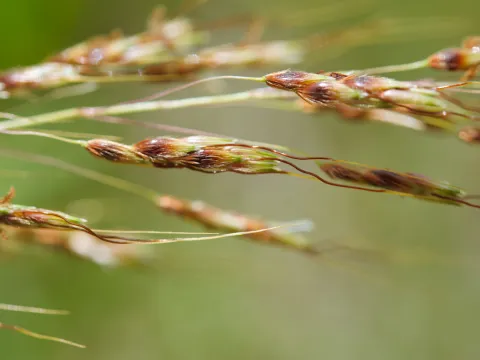
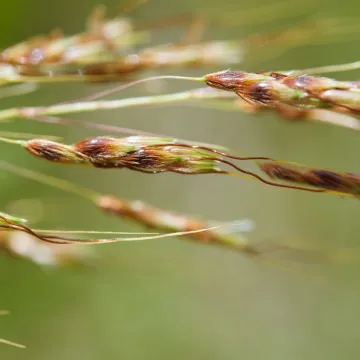
Botanically, the plant features slender leaves and a characteristic shiny panicle inflorescence, which distinguishes it from related sorghum species. The stems are typically erect, and the root system is well-developed, facilitating nutrient uptake from deeper soil profiles. The plant demonstrates high biomass production potential under optimal ecological conditions, often maintaining growth throughout the warm season.
In terms of agricultural management, this species prefers well-drained, nutrient-rich soils and full sunlight exposure. It is highly sensitive to frost, necessitating cultivation in regions with stable warm temperatures. Proper soil preparation, including adequate plowing and fertilization (particularly nitrogen), is essential for maximizing yield. Regular weeding is crucial during the early establishment phase to prevent competition with faster-growing invasive weeds.
- Excellent adaptation to warm, humid environments.
- High potential for forage biomass production.
- Deep root system for soil moisture efficiency.
- Strong capacity for regrowth after frequent harvesting.
The primary agricultural utility of shining sorghum lies in its role as a forage source for livestock. It is valued for its nutritional profile and persistence in grazing systems. However, producers must manage potential issues such as fungal leaf spot diseases and pests like aphids or stem borers. Implementing effective pest management strategies and rotating fields are key practices for maintaining healthy and productive stands of this perennial grass.
Photo gallery