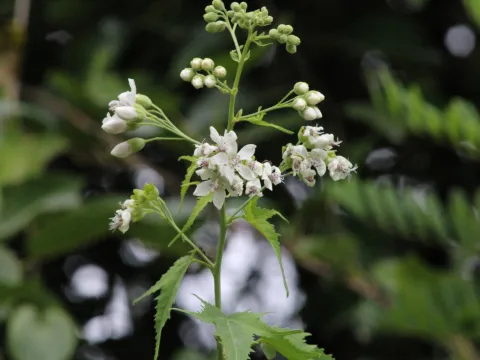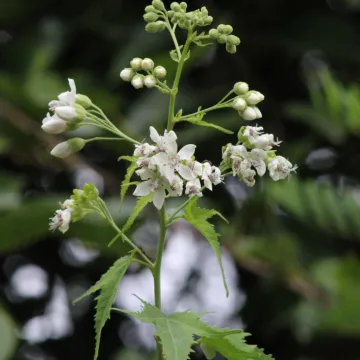
Virginia mallow
Sida hermaphrodita (L.) Rusby
Description
Virginia mallow (scientific name Sida hermaphrodita) is a perennial herbaceous plant belonging to the Malvaceae family. Recognized for its high biomass yield and longevity, this crop has gained significant attention in the agricultural sector as a multipurpose sustainable resource.
Native to North America, the plant was introduced to various regions across Europe. Due to its robust nature and adaptability to different climates, it is increasingly cultivated as a viable alternative for energy production and fodder, particularly in temperate regions where long-term yields are highly valued.
Botanically, the plant develops strong, erect stems that can reach up to 4 meters in height. It features palmate leaves and delicate white flowers that bloom over an extended period. A standout characteristic is its deep and extensive root system, which enables the plant to thrive in diverse soil types and survive periods of limited rainfall once fully established.
The agronomic requirements of Virginia mallow are centered on fertile, well-drained soils. While it prefers moist environments, it is quite hardy and can withstand severe winter temperatures. Successful cultivation relies on careful weed management during the establishment year; once the crop is settled, it effectively outcompetes weeds and requires minimal maintenance thereafter.
The primary agricultural applications include:
- Biomass production for renewable energy (pellets and briquettes).
- Livestock fodder, providing high-quality silage or grazing potential.
- Apiculture, serving as a reliable honey-producing plant.
- Soil stabilization and erosion control in sensitive landscapes.
Regarding health and protection, Virginia mallow is generally resilient. However, it can occasionally be impacted by pathogens affecting the Malvaceae family, such as fungal leaf spots or root diseases if planted in waterlogged soil. Proper crop rotation and maintaining adequate soil fertility are the best practices for preventing these issues and ensuring a productive lifespan of up to two decades.
Photo gallery