
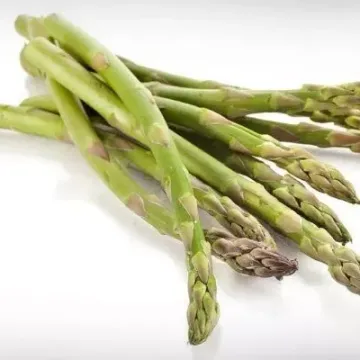
Description
The causal agent of this disease is the fungus Puccinia asparagi, an obligate parasite that specifically infects asparagus plants. This pathogen is known for its complex life cycle, involving multiple spore stages which allow it to overwinter efficiently in plant debris and soil.
The disease primarily impacts asparagus (Asparagus officinalis), affecting both young seedlings and mature plants. It is considered one of the most economically damaging diseases in asparagus production worldwide, as severe infections can lead to significant yield losses in subsequent harvest seasons due to root depletion.
Symptoms initially appear as small, light-green spots on stems, which eventually develop into erumpent, reddish-brown pustules (uredinia). As the season progresses, these lesions turn black (telia), signaling the production of winter spores. The foliage may yellow and dry out prematurely, mimicking signs of senescence.
Environmental conditions such as warm temperatures and high relative humidity, combined with prolonged dew periods, are critical for the germination and spread of Puccinia asparagi. The spores are primarily wind-dispersed, facilitating rapid transmission across fields during the summer months.
Effective management requires an integrated approach starting with the removal of volunteer plants and infested debris after the growing season. Promoting air circulation through proper spacing and moisture control is essential. Fungicide applications, when timed correctly based on disease monitoring, are critical in preventing widespread outbreaks on commercial farms.
- Sanitation and removal of crop residue.
- Selection of resistant asparagus cultivars.
- Balanced irrigation to minimize canopy moisture.
- Application of fungicides at the first sign of symptoms.
Контент-граф
Connections · Asparagus rust
Most often together:
Marketplace
Products · 4


Community
Discussion
No discussions yet — be the first.