
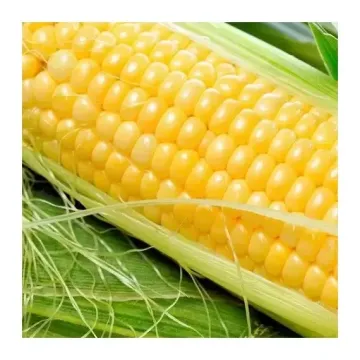
Helminthosporium blight
Bipolaris sorokiniana
Description
Helminthosporium blight, caused by the fungal pathogen Bipolaris sorokiniana (teleomorph Cochliobolus sativus), is a destructive plant disease affecting a wide range of agricultural and horticultural crops. This fungus is a soil-borne and seed-borne pathogen, capable of surviving in adverse environmental conditions by forming chlamydospores in plant debris or the soil matrix for several years.
The host range of Bipolaris sorokiniana is remarkably broad, making it a persistent challenge in integrated pest management. The pathogen infects cereals such as oats, legumes including soybeans and peanuts, vegetable crops like onions, garlic, and celery, as well as industrial crops like industrial hemp and tropical species like the coconut palm. Its ability to jump between diverse botanical families complicates crop rotation strategies.
Symptoms vary depending on the host but typically present as necrotic lesions on leaves, stems, and seeds. Lesions often appear as small, oval, or elongated dark brown spots that may coalesce, leading to severe leaf blight and premature senescence. In cereals, it commonly causes root rot and basal stem decay, leading to seedling blight and damping-off, which significantly reduces plant density in the field.
The development and spread of the disease are highly dependent on environmental parameters. High humidity, frequent rainfall, and temperatures ranging from 20°C to 30°C are ideal for the production and dispersal of conidia. Spores are easily disseminated via wind and splashing rain, allowing the pathogen to spread rapidly through fields when environmental conditions favor moisture retention on leaf surfaces.
The economic impact of this disease is substantial, often leading to reduced yields, lower grain quality, and loss of seed viability. When infection is severe, the photosynthetic area is drastically reduced, weakening the plant. Effective management of Helminthosporium blight requires an integrated approach to minimize the inoculum load and protect the crop:
- Sowing high-quality, disease-free, and fungicide-treated seeds.
- Implementing diverse crop rotations that avoid consecutive planting of susceptible host species.
- Managing crop residues through deep tillage or composting to accelerate decomposition.
- Applying systemic and contact fungicides during critical growth stages when weather conditions favor infection.
- Monitoring fields for early signs of leaf spots to ensure timely intervention.
Biology
Pathogens and affected parts
Pathogens
Bipolaris sorokiniana· fungus
Helminthosporium papulosum· fungus
Helminthosporium· fungus
Drechslera graminea· fungus
Cochliobolus sativus· fungus
Drechslera tritici-repentis· fungus
Helminthosporium tritici-repentis· fungus
Drechslera wirreganensis· fungus
Drechsler· fungus
Bipolaris incurvata· fungus
Exserohilum turcicum· fungus
Drechslera turcica· fungus
Affected plant parts
whole plantrootseedleafearbulb
Content graph
Affects crops · 23
Контент-граф
Connections · Helminthosporium blight
Most often together:
Marketplace
Products · 2422
All 2422
Corn 1387
Barley 421
Fungicides 361
Sweet Corn 89
Sorghum 32
Biological Products 16
Kostretz 15
Plant Growth Regulator 13
Wheat 12
Fescue 11
Herbicides, Desiccants 9
Brome 7




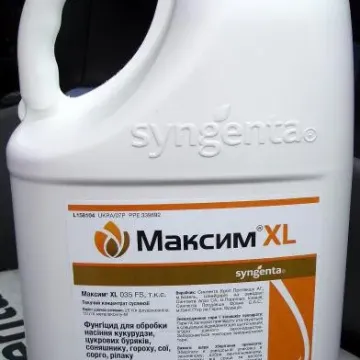


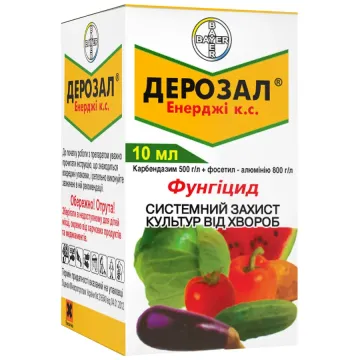



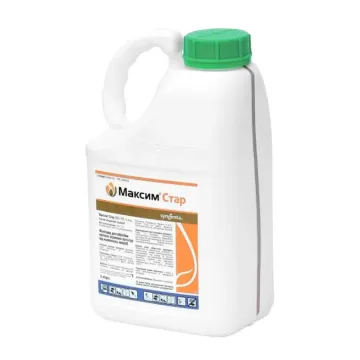


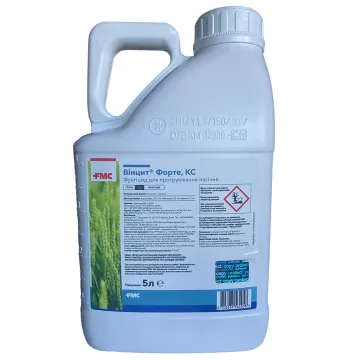


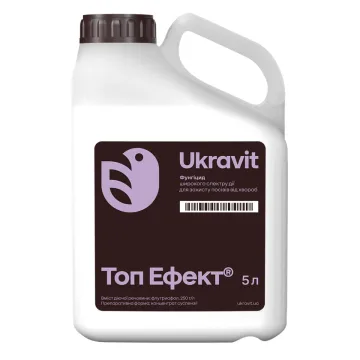
Top Effect
«Нанджин Ессенс Файн-Кемікал Ко. Лтд» (Китай)
Fungicides
0
0
·
1.7K
7 offers
8.9 €за 1 л
Купить


Doctor Crop
Jiangsu Agricoem Laboratory Co., Ltd.
Fungicides
0
0
·
1.6K
19 offers
5.6 €за 1 л
Купить


Bumper Super 490
F. Macteshim Chemical Works, LLC
Fungicides
0
0
·
1.5K
7 offers
15.4 €за 1 л
Купить


Forsaj 500 SC
China Chemical Industrial & Rice Co. Ltd
Fungicides
0
0
·
1.5K
6 offers
1.6 €за 1 л
Купить
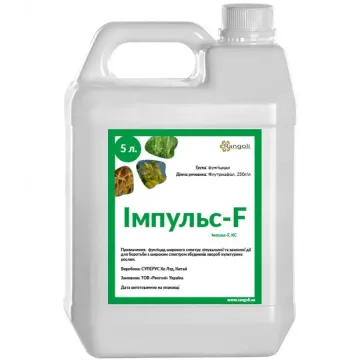


Arbalet
Хімічні заводи «Органіка-Сажина»С.А., Нова Сажина, Польща
Fungicides
0
0
·
1.4K
4 offers
16 €за 1 л
Купить



Tomagavk
China Chemical Industrial & Rice Co. Ltd
Fungicides
1
0
·
1.2K
9 offers
11.7 €за 1 л
Купить




Sargon 250
Три Дельта Компані Інтернешнл, Гонконг, Китай.
Fungicides
0
0
·
1.1K
4 offers
10.8 €за 1 л
Купить


Impal
Три Дельта Компані Інтернешнл, Гонконг, Китай.
Fungicides
0
0
·
974
5 offers
10.3 €за 1 л
Купить
Community
Discussion
No discussions yet — be the first.