

Description
Phomopsis refers to a genus of fungi responsible for various destructive plant diseases. These pathogens typically infect stems, branches, and fruits, leading to necrosis, blight, and significant economic losses in agriculture, horticulture, and commercial plantations across the globe.
This pathogen has a broad host range, affecting many economically vital plants. Known hosts include peanuts, asparagus, industrial hemp, papaya, Citrus species, Arabica coffee, Robusta coffee, and hazelnuts. Once inside the host tissue, the fungus obstructs nutrient and water transport, leading to the gradual decline of the plant.
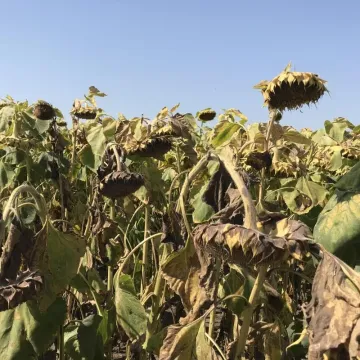
Symptoms of Phomopsis infection generally manifest as discolored lesions, girdling cankers on stems, and stunted growth. As the disease progresses, infected areas may show small, dark, pimple-like structures called pycnidia. These structures contain spores that are released during humid conditions, facilitating the spread of the fungus to neighboring plants.
The development and spread of the fungus are heavily dependent on environmental conditions. High humidity, heavy rainfall, and moderate temperatures are primary drivers for spore germination and infection. The pathogen can survive for extended periods in crop debris, infected seeds, or soil, making long-term field management essential for control.
Effective control measures require an integrated approach to reduce the inoculum levels. Growers should prioritize the use of certified disease-free planting material, practice proper crop rotation, and remove infected plant debris promptly. In high-risk environments, preventive application of approved fungicides is crucial during susceptible growth stages to maintain plant health and productivity.
Biology
Pathogens and affected parts
Pathogens
Phomopsis· fungus
Phomopsis amygdali· fungus
Diaporthe tanakae· fungus
Phomopsis tanakae· fungus
Phomopsis mali· fungus
Diaporthe perniciosa· fungus
Phomopsis asparagi· fungus
Phomopsis asparagicola· fungus
Phomopsis javanica· fungus
Diaporthe phaseolorum· fungus
Phomopsis arnoldiae· fungus
Phomopsis elaeagni· fungus
Affected plant parts
fruitwhole plantstemseedrootleaf
Content graph
Affects crops · 38
AlmondAppleArabica coffeeAsparagusAvocadoAzaleaBilberryBlack walnutChristmas CactusCitrusClaw cactusCommon beanCommon grape vineCongo coffeeDouglas FirElmGeraniumHazelnutIndustrial hempIvy-leaved pelargoniumJerusalem artichokeLarge cranberryLingonberryMango treePapayaPassiflora L.PeachPeanutPistachioPlaneRiceRoseScented GeraniumSoybeanStrawberrySunflowerSweet potatoWatermelon
Контент-граф
Connections · Phomopsis
Most often together:
Nutrient elements
1 связь
Marketplace
Products · 2667
All 2667
Sunflower 2238
Tulips 200
Fungicides 166
Rapeseed 17
Corn 12
Soybean 5
Sorghum 4
Insecticides, Acaricides 3
Wheat 3
Barley 3
Plant Growth Regulator 2
Biological Products 2








Lancaster
China Chemical Industrial & Rice Co. Ltd
Herbicides, Desiccants
0
0
·
1.7K
6 offers
5.6 €за 1 л
Купить



Forsaj 500 SC
China Chemical Industrial & Rice Co. Ltd
Fungicides
0
0
·
1.5K
6 offers
1.6 €за 1 л
Купить

















Community
Discussion
No discussions yet — be the first.