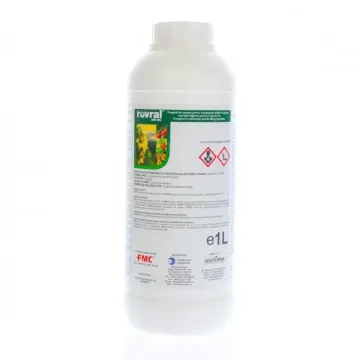
Rovral Aquaflow
БАСФ Агро БВ, Швейцарія, на заводі , Франція,Італія (Сієна)
Fungicides
0
0
·
4.1K
6 offers
13.6 €за 1 л
Купить

Phoma leaf spot, often referred to as black stem or dry rot, is a fungal disease caused by various species of the Phoma genus. The pathogen invades the vascular tissues of plants, causing significant structural damage and preventing the normal transport of water and nutrients throughout the stem and leaves.
This disease primarily impacts major agricultural crops, including oilseed rape, sunflower, and various cabbage family crops. It is recognized as one of the most critical threats to yield stability in intensive farming systems worldwide, affecting plants from the seedling stage through to harvest time.
The visual symptoms typically include dark, necrotic lesions on the leaves and stems, often surrounded by a chlorotic halo. As the infection progresses, these spots develop small black fruiting bodies called pycnidia. The stems may eventually crack, become brittle, and show signs of dry rot, which often leads to plant lodging in mature fields.
Environmental conditions that favor the development of Phoma include prolonged periods of moisture and moderate temperatures, typically between 15°C and 25°C. Spores are disseminated by rain splash and wind, facilitating rapid spread across fields, while the fungus remains viable in soil debris for several seasons, creating a persistent risk.
The economic impact of the disease is significant, often resulting in reduced seed weight, lower oil content, and direct yield loss due to premature plant death. Effective management relies on an integrated approach:
No discussions yet — be the first.