

Description
Aluminum (Al) is generally considered a non-essential element for plant growth. While it is the most abundant metal in the earth's crust, in the context of agronomy, it is primarily recognized for its toxic properties. Its availability to plants is highly dependent on the soil pH, becoming problematic primarily in soils with a pH below 5.5.
The role of aluminum in plant physiology is essentially negative. It disrupts the normal function of root tips, which are the primary sites for nutrient and water absorption. High levels of soluble aluminum ions prevent cell division and elongation, resulting in a stunted, stubby root system that cannot effectively forage for nutrients, essentially starving the plant.
Symptoms of aluminum toxicity often mimic phosphorus or magnesium deficiency because the damaged root system is unable to uptake these vital nutrients. Plants exhibit stunted growth, chlorosis, and reduced leaf area. Over time, the inability to access water due to the diminished root system makes crops hypersensitive to even short periods of drought.
There are no commercial fertilizers that contain aluminum as a beneficial nutrient. Instead, agricultural management focuses on immobilizing aluminum. The industry relies on soil amendments such as agricultural lime (calcium carbonate) or dolomite to increase soil pH, which precipitates aluminum into non-toxic, insoluble forms within the soil matrix.
Effective management of aluminum-affected areas involves careful monitoring of soil acidity. Agronomists must prioritize long-term soil conditioning over quick fixes. Proper crop rotation and the application of organic matter can also help by acting as natural chelators, binding aluminum and reducing its bioavailability to the crops, thus protecting the delicate balance of the root zone.
Контент-граф
Connections · Aluminum
Most often together:
Marketplace
Products · 23
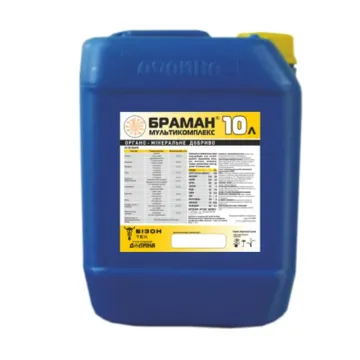


Panamin
Компанія “PANAMIN GmbH”, Австрія, Флорідсдорфер Хауптштрассе 1 , 1210, тел: +43 6602996786
Fertilizers
0
0
·
47
1 offer
7.9 €за 1 кг
Купить

Alpha-Nano-Gro
Ф.Меатон Лімітед, Лондон, Великобританія.
Fertilizers
0
0
·
45
4 offers
95.1 €за 1 кг
Купить


Vitamin B.R.K.
Jiangsu Institute of Ecomones Co., Ltd.
Plant Growth Regulator
0
0
·
43
1 offer
1.1 €за 1 л
Купить


Alpha-Nano-Gro
Ф.Меатон Лімітед, Лондон, Великобританія.
Fertilizers
0
0
·
40
5 offers
95.1 €за 1 кг
Купить

GOLDEN CROP (GOLDEN CROP)
Agro-Nanotechnologies, LLC
Fertilizers
0
0
·
38
1 offer
12.2 €за 1 кг
Купить


MAX Cisealer/Cimax/Max Algotech
XI’AN CITYMAX AGROCHEMICAL CO., LTD, Китай
Fertilizers
0
0
·
30
12 offers
16.6 €за 1 кг
Купить
NANOFEERTI
INTERREGIONAL SCIENTIFIC-PRODUCTION AGRIBUSINESS
Fertilizers
0
0
·
26
11 offers
4.3 €за 1 кг
Купить
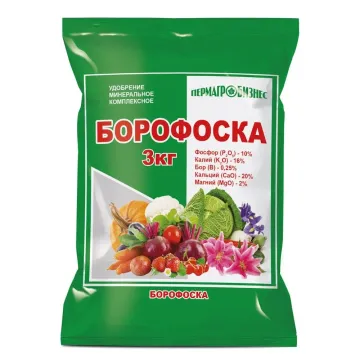
Granulated Fertilizer Mixture "Borofoska"
Agroklondike, LLC
Fertilizers
8
2
·
9K
No offers
—
Details


Bio-Stimulant 5r Soil Boost EA (5R Soil Boost)
Про Аг, Інк., США
Fertilizers
0
0
·
44
No offers
—
Details

Penergen-b
FRANCISKO R. ARTAL, S.L., (Патерна Валенсія Іспанія)
Fertilizers
0
0
·
41
No offers
—
Details
BIOLOGICAL FERTILIZER "MORPHOREGULATOR GREEN COSMOS (A GREEN SP
Genetic Plant Sales, LLC
Fertilizers
0
0
·
39
No offers
—
Details

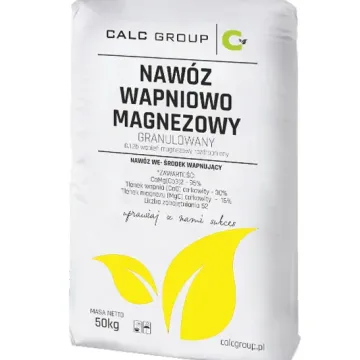
CALCIUM-CONTAINING AMELIORANT WITH FERTILIZING ACTION BASED ON STEELMAKING SLAG
ArcelorMittal Kriviy Rih, JSC
Fertilizers
0
0
·
29
No offers
—
Details