Description
Copper (Cu) is an essential micronutrient that plays a critical role in various physiological processes within plants. It serves as a structural component for many enzymes involved in respiration, photosynthesis, and the synthesis of lignin. Adequate copper levels are vital for maintaining the integrity of cell walls and overall structural stability of the plant.
In terms of metabolic functions, copper is indispensable for electron transport during photosynthesis, as it is a core component of plastocyanin. This protein facilitates the flow of energy necessary for biomass production. Additionally, copper influences nitrogen metabolism, which is essential for healthy growth and high yields in major agricultural crops.
Symptoms of copper deficiency typically appear as stunted growth, wilting of young leaves, and a characteristic bleaching of leaf tips. In cereal crops, it often leads to "white tip" or "reclamation disease," where heads fail to develop grains properly. Deficiency is most prevalent in peat soils, sandy soils, and soils with a high organic matter content that binds copper tightly.
Excessive copper levels, while less common than deficiency, can be toxic to plant growth. High concentrations often result in the inhibition of root elongation and lateral root development, leading to a stunted root system. Furthermore, excess copper interferes with the uptake of other essential elements like iron and zinc, causing induced chlorosis.
To ensure optimal crop health, agronomists utilize various copper-based fertilizers. Common application methods include:
- Foliar sprays of copper sulfate for rapid correction of deficiency.
- Chelated copper formulations, which provide high bioavailability for plant uptake.
- Soil-applied granular micronutrient blends for long-term management.
The most effective management strategy involves periodic soil and tissue testing to monitor micronutrient status. Since copper is relatively immobile in plant tissue, timely foliar applications during the early vegetative stages are often the preferred method for correcting acute deficiencies without risking soil accumulation.
Контент-граф
Connections · Copper
Most often together:
Marketplace
Products · 720

Vuksal Suspension, s.
«Аглюкон ГмбХ&Ко.Кг», Німеччина
Fertilizers
3
0
·
2.8K
6 offers
12 €за 1 кг
Купить


Fertigrain Foliar / Fertigrain
AgriTecno Fertilizantes SL, Spain
Fertilizers
2
1
·
1.7K
6 offers
15.4 €за 1 кг
Купить

Grongrin NPK, 20-20-20 + TE, cr.p.
Bio Plus Agro, LLC
Fertilizers
1
0
·
1.6K
8 offers
3.8 €за 1 кг
Купить







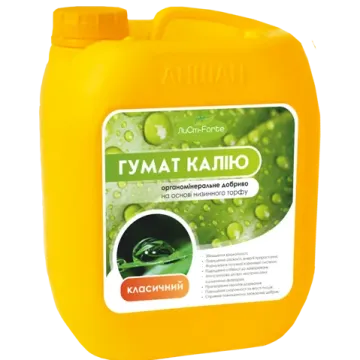
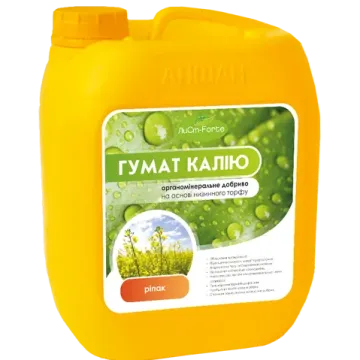


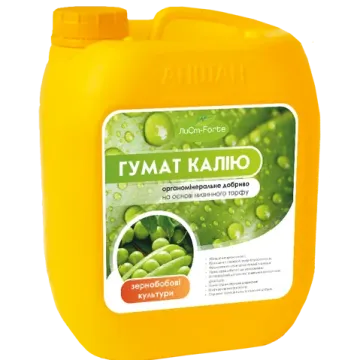
KALIUM GLUONATE FOR GRAIN AND LEGUME CROPS
LiSt-Forte
Fertilizers
1
0
·
352
2 offers
3.5 €за 1 кг
Купить


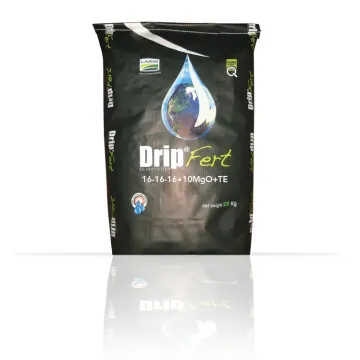
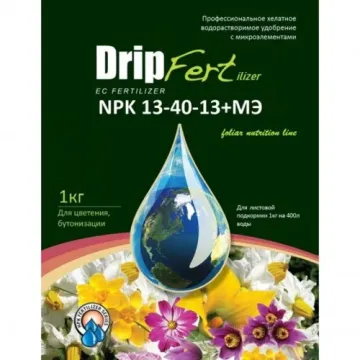

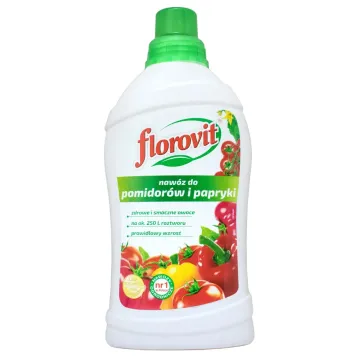
LIQUID FERTILIZER FLOROVIT
GRUPA INCO S.A., Poland
Fertilizers
0
0
·
118
9 offers
2.9 €за 1 кг
Купить
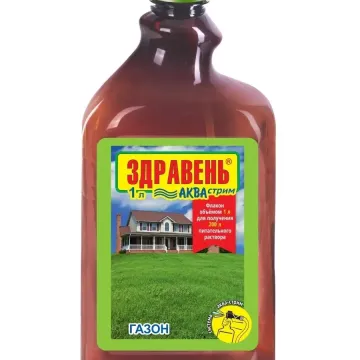
Streamer
Приватне підприємство «ПРОМБУДКОМПЛЕКТ», Україна
Fertilizers
0
0
·
90
2 offers
20.2 €за 1 кг
Купить

Spectrum Mix-C
«Headland Agrochemicals Ltd», Англія
Fertilizers
0
0
·
83
1 offer
0.1 €за 1 кг
Купить

Folic
ТОВ «Агрii Польща» (Agrii Polska SP. Z O.O.), Польща
Fertilizers
0
0
·
78
15 offers
5 €за 1 кг
Купить
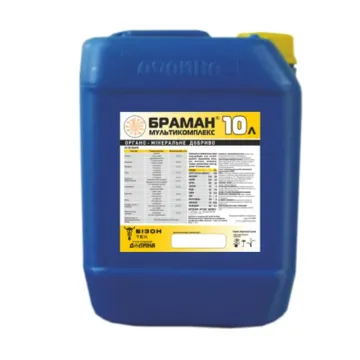


IKAR (IKAR)
ЗАТ «ІКАРАІ» (“IKARAI”), Литовська Республіка
Fertilizers
0
0
·
67
5 offers
6.1 €за 1 кг
Купить
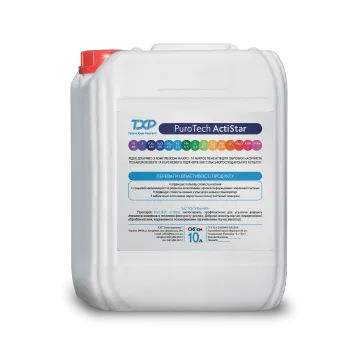


GREEN HAS (MAROK HASCON M10AD, CREEPER)
GREEN HAS ITALIA S.p.A., Італія
Fertilizers
0
0
·
66
3 offers
11.9 €за 1 кг
Купить
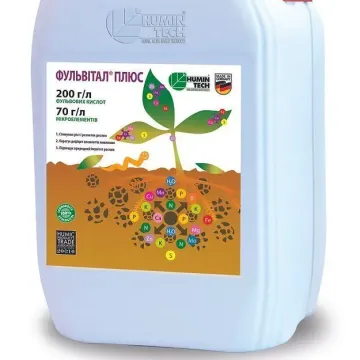
Fulvital Plus VR
Компанія "Humintech GmbH" (Німеччина)
Fertilizers
0
0
·
65
5 offers
10.6 €за 1 кг
Купить
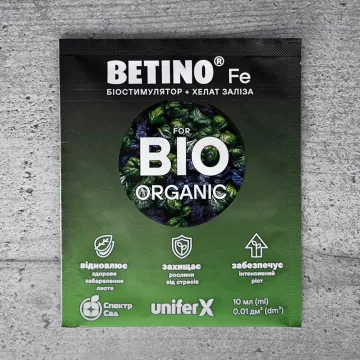
BETINO (Boron, Fe, Ca, Micro, VeganX Ca, VeganX, Zn pH)
Uniferix, LLC
Fertilizers
0
0
·
65
1 offer
62.5 €за 1 кг
Купить