
Description
Iron (Fe) is an essential micronutrient that plays a fundamental role in the vital activities of plants. It is a critical component of numerous enzymes involved in photosynthesis and respiration. Iron acts as a cofactor for chlorophyll biosynthesis, meaning its availability directly dictates the greenness and photosynthetic capacity of the plant foliage.
At the physiological level, iron is a key electron carrier in various redox reactions. It is essential for the structure of cytochromes and iron-sulfur proteins, which are critical for energy production within mitochondria and chloroplasts. Furthermore, iron is involved in nitrate and sulfate reduction, making it indispensable for proper protein synthesis and overall plant metabolic vigor.
The most characteristic sign of iron deficiency is interveinal chlorosis of the youngest leaves. The leaf tissue turns pale green or yellow while the veins remain distinctly green. This occurs because iron is immobile within the plant, preventing it from being translocated from older foliage to newer growth when supplies become scarce in the growing medium.
Excessive iron levels, while less common than deficiency, can be toxic. High concentrations can interfere with the uptake of other crucial micronutrients, specifically phosphorus and manganese. Symptoms of iron toxicity may include leaf bronzing, dark spotting, and stunted development of both shoots and roots, which can significantly decrease crop yield and quality.
Correcting iron deficiencies requires careful management of soil pH and the use of appropriate fertilizers. Since inorganic iron salts are rapidly fixed in most soils, chelated iron (such as Fe-EDDHA or Fe-EDTA) is preferred for both soil drenching and foliar application. Foliar sprays are particularly effective for quick recovery, especially in alkaline soils where native iron is chemically unavailable to plant roots.
- Iron availability is highly dependent on soil pH (optimal range 5.5 to 6.5).
- High levels of bicarbonate in soil or water exacerbate iron chlorosis.
- Chelated iron formulations remain soluble and plant-available over a wider pH range.
- Plants like blueberries, citrus, and grapes are highly sensitive to iron deficiency.
Контент-граф
Connections · Iron
Most often together:
Marketplace
Products · 695

Aquarin, l
Private enterprise "Rodonit", Ukraine
Fertilizers
10
1
·
4.9K
2 offers
3.9 €за 1 кг
Купить


Vuksal Suspension, s.
«Аглюкон ГмбХ&Ко.Кг», Німеччина
Fertilizers
3
0
·
2.8K
6 offers
12 €за 1 кг
Купить


Organic Fertilizers "Biohumus. Mixtures based on biohumus", kg.
Hermes Agrofirm LLC
Fertilizers
0
0
·
1.8K
2 offers
0.3 €за 1 кг
Купить


Fertigrain Foliar / Fertigrain
AgriTecno Fertilizantes SL, Spain
Fertilizers
2
1
·
1.7K
6 offers
15.4 €за 1 кг
Купить

Grongrin NPK, 20-20-20 + TE, cr.p.
Bio Plus Agro, LLC
Fertilizers
1
0
·
1.6K
8 offers
3.8 €за 1 кг
Купить


ASB GREENWORLD, g.
ASB Grünland Helmut Auranz GmbH
Fertilizers
0
0
·
1.5K
4 offers
2.6 €за 1 кг
Купить






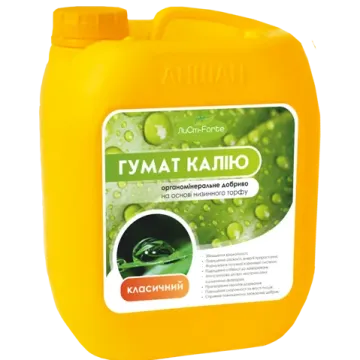
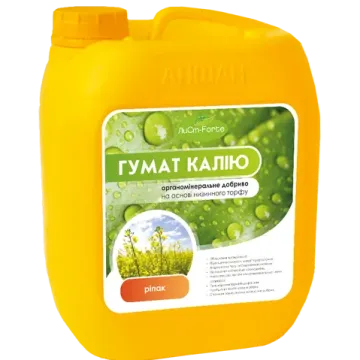


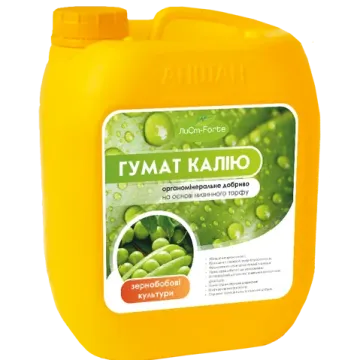
KALIUM GLUONATE FOR GRAIN AND LEGUME CROPS
LiSt-Forte
Fertilizers
1
0
·
352
2 offers
3.5 €за 1 кг
Купить


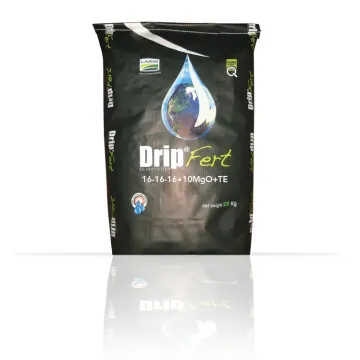
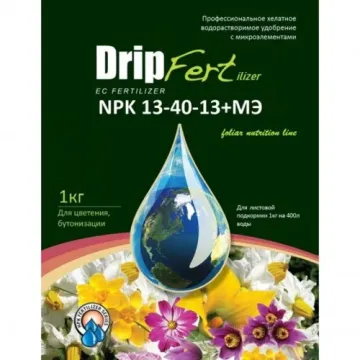

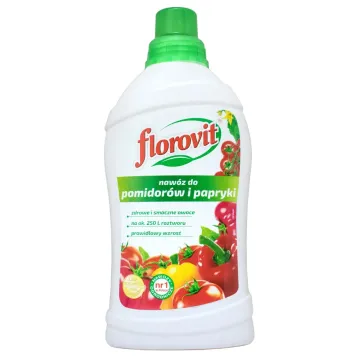
LIQUID FERTILIZER FLOROVIT
GRUPA INCO S.A., Poland
Fertilizers
0
0
·
118
9 offers
2.9 €за 1 кг
Купить
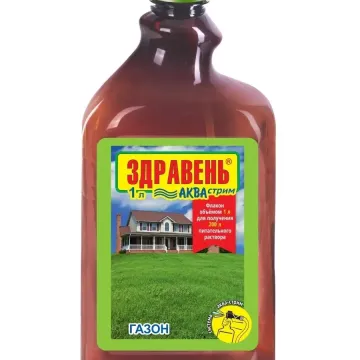
Streamer
Приватне підприємство «ПРОМБУДКОМПЛЕКТ», Україна
Fertilizers
0
0
·
90
2 offers
20.2 €за 1 кг
Купить

Spectrum Mix-C
«Headland Agrochemicals Ltd», Англія
Fertilizers
0
0
·
83
1 offer
0.1 €за 1 кг
Купить

BIOVIN
КОНЯ ШЕКЕР САН. ВЕ ТІДЖ. АШ(KONYA ?EKER SAN.VE T?C.A?), Туреччина
Fertilizers
0
0
·
82
2 offers
2.9 €за 1 кг
Купить

Folic
ТОВ «Агрii Польща» (Agrii Polska SP. Z O.O.), Польща
Fertilizers
0
0
·
78
15 offers
5 €за 1 кг
Купить