Aquarin, l
Private enterprise "Rodonit", Ukraine
Fertilizers
10
1
·
4.9K
2 offers
3.9 €за 1 кг
Купить

Phosphorus (P2O5) is a vital macronutrient that serves as a cornerstone of plant energy metabolism. It is a fundamental constituent of ATP, nucleic acids, and phospholipids, which are essential for structural integrity and energy transfer within cells. Without adequate phosphorus, a plant's ability to undergo essential metabolic processes is severely compromised.
In agronomy, phosphorus is primarily recognized for its role in promoting robust root system development. Early in a plant's life, phosphorus ensures that roots penetrate the soil deeply, enhancing water and nutrient uptake. Later in the growth cycle, it stimulates flower formation, seed development, and maturation, significantly impacting the quantity and quality of the final harvest.
Phosphorus deficiency is often characterized by stunted growth and a distinct deep green to purplish coloration of the leaves. Older leaves are typically affected first as phosphorus is mobile within the plant, allowing it to be redistributed to younger, growing tissues. A lack of this nutrient results in weak stems, delayed maturity, and reduced resistance to environmental stress.
Excessive levels of phosphorus are generally less common but can be detrimental due to nutrient interactions. High concentrations of phosphorus in the soil can interfere with the uptake of essential micronutrients like zinc, iron, and copper. This imbalance leads to chlorosis and physiological disruptions, essentially inducing deficiencies of other nutrients despite their presence in the soil.
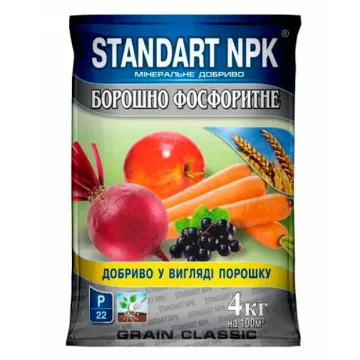
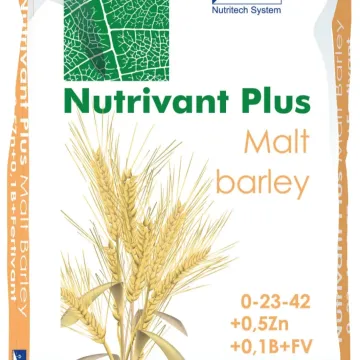
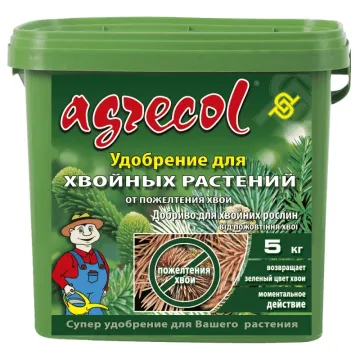
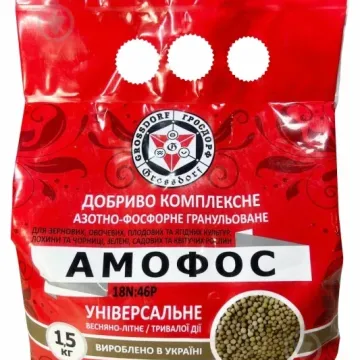
Common phosphorus-containing fertilizers used in professional agriculture include:
Effective application of phosphorus requires understanding its low mobility in the soil. Because phosphorus does not move easily through the soil profile, it is best applied via band placement or deep incorporation close to the root zone. Ensuring the soil pH remains within an optimal range (typically 6.0–7.5) is critical, as extreme acidity or alkalinity can cause phosphorus to become chemically bound and unavailable to the plant.