

Description
Cobalt (Co) is a vital micronutrient that plays a critical role in the physiological processes of plants, especially for legumes. While the required amounts are measured in micrograms, this element is essential for activating enzyme systems responsible for nitrogen metabolism and the synthesis of vitamin B12, which is necessary for healthy plant development.
The primary function of cobalt is to support biological nitrogen fixation. It stimulates the activity of symbiotic bacteria in the root nodules of leguminous plants. Without sufficient cobalt, the efficiency of these bacteria drops significantly, leading to stunted growth and reduced protein accumulation in seeds and plant biomass.
Symptoms of cobalt deficiency are often confused with nitrogen starvation. Plants appear chlorotic with pale leaves, and both root and shoot growth are retarded. In severe cases, legumes fail to form proper root nodules, rendering the plant entirely dependent on external nitrogen fertilizers to sustain its developmental cycle.
Cobalt toxicity occurs rarely and is typically associated with soil contamination. Excess levels of cobalt inhibit photosynthesis, disrupt metabolic pathways, and cause necrotic spotting on leaf surfaces. Furthermore, high concentrations of this element interfere with the uptake of other essential micronutrients, such as iron and manganese, leading to severe physiological stress.
In agronomic practice, cobalt is applied in the form of salts, most commonly cobalt sulfate. The most effective application methods include seed treatment before sowing or foliar feeding using chelated fertilizer forms. It is essential to adhere strictly to recommended dosages, as the window between the stimulating effect and toxic levels for many plant species is remarkably narrow.
Контент-граф
Connections · Cobalt
Most often together:
Marketplace
Products · 285


Fertigrain Foliar / Fertigrain
AgriTecno Fertilizantes SL, Spain
Fertilizers
2
1
·
1.7K
6 offers
15.4 €за 1 кг
Купить


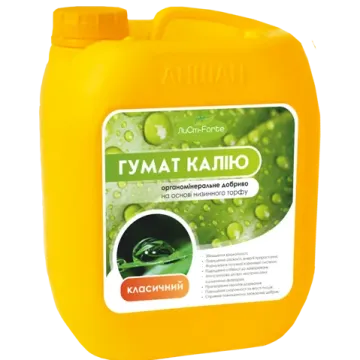
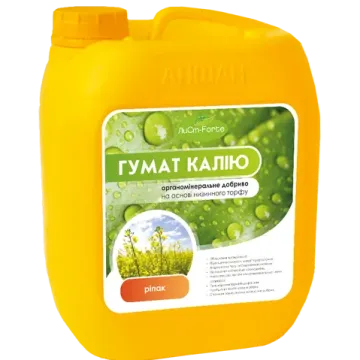
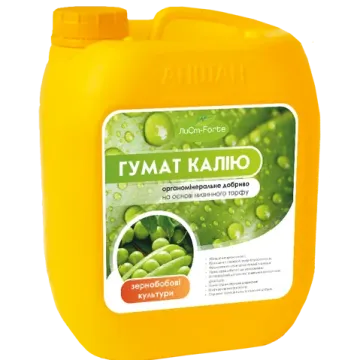
KALIUM GLUONATE FOR GRAIN AND LEGUME CROPS
LiSt-Forte
Fertilizers
1
0
·
352
2 offers
3.5 €за 1 кг
Купить

Streamer
Приватне підприємство «ПРОМБУДКОМПЛЕКТ», Україна
Fertilizers
0
0
·
90
2 offers
20.2 €за 1 кг
Купить




Nanit
Scientific-Production Company "Kvadrat", LLC
Fertilizers
0
0
·
55
13 offers
2.4 €за 1 кг
Купить

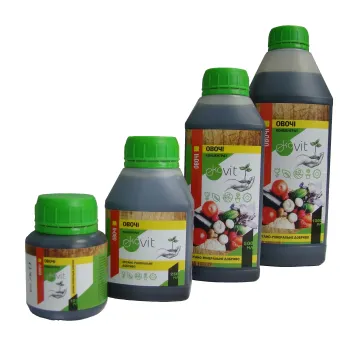
Organic-mineral fertilizers «EcoVit»
EKOVIT-2016, LLC
Fertilizers
0
0
·
54
6 offers
1.2 €за 1 кг
Купить

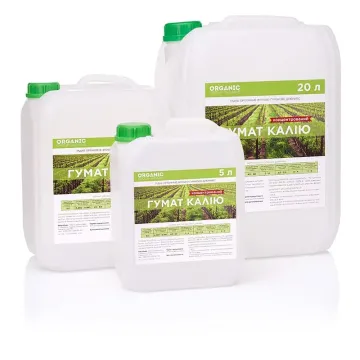
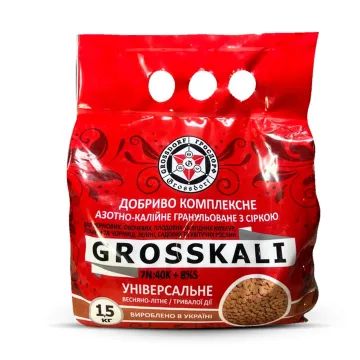

Nanoactivator
Agroenergetic Technologies, LLC NVP
Fertilizers
0
0
·
53
8 offers
24.9 €за 1 кг
Купить

Artal Grain
FRANCISKO R. ARTAL, S.L., (Патерна Валенсія Іспанія)
Fertilizers
0
0
·
53
1 offer
22.9 €за 1 кг
Купить



Zemax
Scientific-Production Company "Kvadrat", LLC
Fertilizers
0
0
·
52
4 offers
2.5 €за 1 кг
Купить

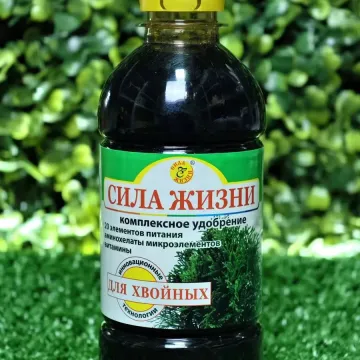
Organic-mineral fertilizer "Sila Zhizni"
ТОВ НВП «Сила Жизни»,Росія.
Fertilizers
0
0
·
52
1 offer
2.6 €за 1 кг
Купить
Comprehensive Organic-Mineral Fertilizer «AgroHumate»
ЗАТ «Балтконверсія»
Fertilizers
0
0
·
52
4 offers
4.7 €за 1 кг
Купить


TERRALIT PLUS
ТОВ «ГЕЗЕЛЬШАФТ ФЮР ГНОТОБІОТЕХНИКИ УНД БІОФОРШУНГ» (GESELLSCHAFT FUR GNOTOBIOTECHNIKI UND BIOFORSCHUNG MBH), Німеччина
Plant Growth Regulator
0
0
·
51
1 offer
3.2 €за 1 л
Купить


AVATAR-2
Scientific-Production Company "AVATAR", LLC
Fertilizers
0
0
·
48
5 offers
3.9 €за 1 кг
Купить
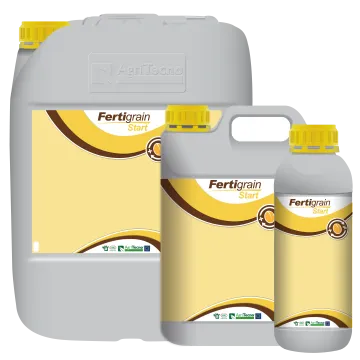
Fertigrain Start SoMo
AgriTecno Fertilizantes SL, Spain
Fertilizers
0
0
·
48
1 offer
29.9 €за 1 кг
Купить


Riverm
Міжнародний екологічний благодійний фонд «AQUA-VITAE», Україна
Fertilizers
0
0
·
48
5 offers
0.4 €за 1 кг
Купить