

Description
Silicon (SiO2) is recognized as a vital functional element for many agricultural crops, particularly cereals, rice, and sugarcane. Although it is not classified as a macronutrient, it plays a critical role in strengthening plant cell walls. Silicon is deposited in the epidermal tissues as phytoliths, creating a robust physical barrier that enhances the structural integrity of stems and leaves.
The primary role of silicon is to improve plant resistance to both abiotic and biotic stresses. The accumulation of silicon compounds in plant tissues hinders the penetration of pathogens and protects against insect feeding, acting as a mechanical defense. Furthermore, silicon optimizes water relations within the plant, reducing transpiration rates and enabling crops to better withstand drought and moisture-deficient conditions.
Symptoms of silicon deficiency are typically manifested by decreased turgor, drooping leaves, and increased susceptibility to lodging. Crops lacking sufficient silicon become highly vulnerable to fungal diseases such as powdery mildew and are more prone to insect infestation, as their cell walls are not sufficiently hardened to prevent physical damage.
Silicon toxicity is extremely rare in soil environments, as plants possess selective mechanisms for silicon uptake. However, excessive application of silicon-rich materials can lead to changes in soil pH, which may indirectly interfere with the bioavailability of other essential nutrients, such as phosphorus or various micronutrients. Careful monitoring of soil conditions is advised when applying high rates of amendments.
Sources of silicon used in modern agronomy include various materials with differing levels of bioavailability:
- Natural minerals such as diatomite and zeolite.
- Metallurgical slags processed for agricultural use.
- Liquid silicate-based fertilizers for foliar applications.
- Engineered silicon-rich organo-mineral complexes.
The method of application depends on the form of the silicon fertilizer. Granular amendments are typically incorporated into the soil during tillage to provide long-term structural support. Conversely, foliar applications are highly effective for providing a rapid "shield" during critical stages of plant development, significantly enhancing the crop's ability to withstand external environmental stresses throughout the growing season.
Контент-граф
Connections · Silicon
Most often together:
Marketplace
Products · 84


Phosphorite flour from the Yegoryevskoye phosphorite deposit, granular
Sumsky NDI "Mindiip"
Fertilizers
0
0
·
648
2 offers
0.1 €за 1 кг
Купить
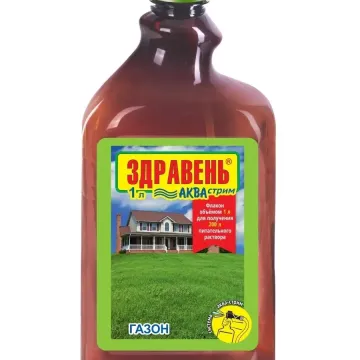
Streamer
Приватне підприємство «ПРОМБУДКОМПЛЕКТ», Україна
Fertilizers
0
0
·
90
2 offers
20.2 €за 1 кг
Купить
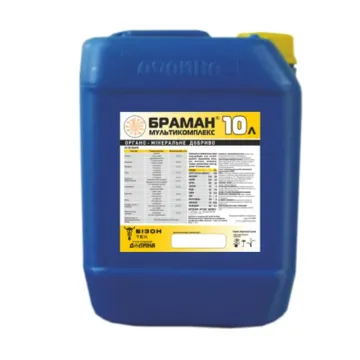
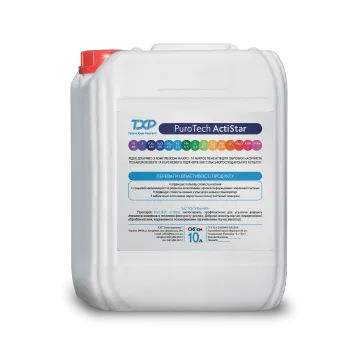


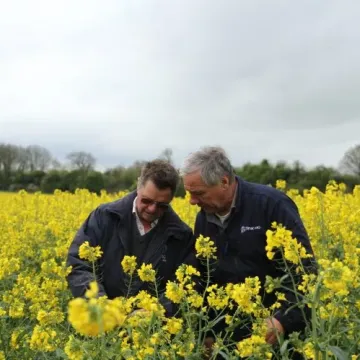
Liquid Fertilizers ASTELIS (ASTELIS 1, ASTELIS Perfil)
Agro Innovation International
Fertilizers
0
0
·
62
1 offer
Купить



Zemax
Scientific-Production Company "Kvadrat", LLC
Fertilizers
0
0
·
52
4 offers
2.5 €за 1 кг
Купить


AVATAR-2
Scientific-Production Company "AVATAR", LLC
Fertilizers
0
0
·
48
5 offers
3.9 €за 1 кг
Купить


OPTISIL, r., (Si – 16.5%, Fe – 2.0%)
Intermag, LLC
Fertilizers
0
0
·
48
3 offers
2.5 €за 1 кг
Купить


Panamin
Компанія “PANAMIN GmbH”, Австрія, Флорідсдорфер Хауптштрассе 1 , 1210, тел: +43 6602996786
Fertilizers
0
0
·
47
1 offer
7.9 €за 1 кг
Купить

MICROFERTILIZERS «5 ELEMENT» GRANULAR
NVP '5 element', LLC
Fertilizers
0
0
·
46
1 offer
70.4 €за 1 кг
Купить

PHOENIX NUTRIENS, r., liquid complex fertilizer
AGROINDICATOR, LLC
Fertilizers
0
0
·
45
1 offer
744.23 €
Купить

AGRILAN
ТОВ «АГРІЛАН», Україна, 62303, Харківська обл., Дергачівський р-н. , 10-а, тел.
Fertilizers
0
0
·
44
3 offers
1 €за 1 кг
Купить


Vitamin B.R.K.
Jiangsu Institute of Ecomones Co., Ltd.
Plant Growth Regulator
0
0
·
43
1 offer
1.1 €за 1 л
Купить
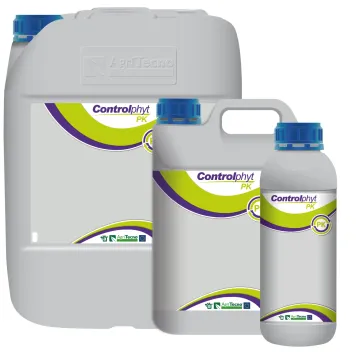
Controlfit (brands Controlfit Cu, Controlfit Si, Controlfit PK)
AgriTecno Fertilizantes SL, Spain
Fertilizers
0
0
·
40
2 offers
10.1 €за 1 кг
Купить


Quadrostim
Приватне підприємство «ПРОМБУДКОМПЛЕКТ», Україна
Fertilizers
0
0
·
36
3 offers
11.6 €за 1 кг
Купить


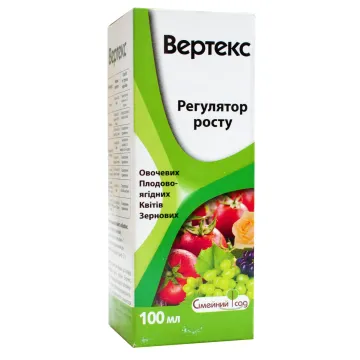
Vertex
Приватне підприємство «ПРОМБУДКОМПЛЕКТ», Україна
Fertilizers
0
0
·
33
3 offers
9.2 €за 1 кг
Купить


POLYFOSKA (brands PLUS, PETROPLON, CREAM, TITAN, 5, 6, 8 and 15)
Grupa Azoty Zakłady Azotowe Chorzów S.A.
Fertilizers
0
0
·
32
4 offers
0.5 €за 1 кг
Купить


Gumat XXI (brands Gumat Kremnii, Gumat Amino, Antistress 03)
Scientific-Production Union «AGROBIOINOV»
Fertilizers
0
0
·
31
3 offers
13.1 €за 1 кг
Купить

Ammonium Sulphate Long Active
Agricultural Company "BESTA", LLC
Fertilizers
0
0
·
30
4 offers
0.8 €за 1 кг
Купить


Agrogumat-Forte (brands Base, Bor, Zinc+Bor, Ground Plus)
LIMITED LIABILITY COMPANY
Fertilizers
0
0
·
28
2 offers
5.1 €за 1 кг
Купить


NANOFEERTI
INTERREGIONAL SCIENTIFIC-PRODUCTION AGRIBUSINESS
Fertilizers
0
0
·
26
11 offers
4.3 €за 1 кг
Купить

Sibus
Фадер Альянс Лтд., Великобританія (Fader Alliance Ltd., England) на заводах Нідерландів, Польщі
Fertilizers
0
0
·
23
1 offer
1 €за 1 кг
Купить

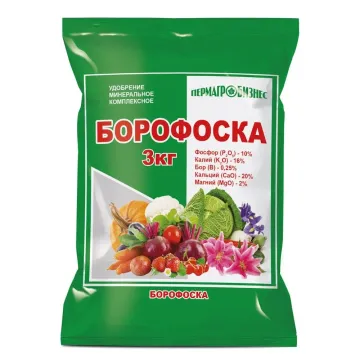
Granulated Fertilizer Mixture "Borofoska"
Agroklondike, LLC
Fertilizers
8
2
·
9K
No offers
—
Details

EKOGRAD
ТОВ «АГРІЛАН», Україна, 62303, Харківська обл., Дергачівський р-н. , 10-а, тел.
Fertilizers
0
0
·
54
No offers
—
Details
