
Description
Nickel (Ni) is a transition metal that is now officially recognized as an essential micronutrient for higher plants. It functions as a critical component of the enzyme urease, which is responsible for the hydrolysis of urea into ammonia and carbon dioxide. This chemical reaction is fundamental for proper nitrogen recycling within the plant, preventing the accumulation of toxic urea levels in tissues.
Beyond nitrogen metabolism, nickel plays a significant role in seed germination and the final stages of the plant life cycle. It is involved in the synthesis of various organic acids and influences the plant's ability to resist environmental stresses. Nickel also interacts with other nutrients, ensuring optimal uptake and utilization of iron and zinc by plant cells.
Deficiency of nickel typically results in impaired nitrogen metabolism, which is visually expressed through chlorosis of leaf tips and overall growth retardation. In severe cases, particularly in leguminous crops, plants may fail to produce viable seeds because the embryos do not receive adequate nutritional support during development. Leaf tips may curl, wither, and die back as urea accumulates in the tissue.
Nickel toxicity is a major agricultural concern, as even small amounts above the required threshold can be detrimental. Excess nickel competes with other divalent cations like iron and zinc, causing induced deficiencies of these elements. This leads to severe chlorosis, stunted root development, and decreased overall crop yield, often seen in soils contaminated by industrial waste.
Application of nickel must be carried out with extreme precision due to its narrow physiological safety range. It is usually included in commercial micronutrient blends or seed treatments at very low application rates. Agronomists must rely on soil and tissue testing to determine the necessity of application, ensuring that the concentration remains well within the micro-level range to avoid toxicity.
- Acts as a cofactor for the urease enzyme.
- Essential for effective urea metabolism.
- Boosts seed vigor and germination rates.
- Helps plants withstand biotic and abiotic stresses.
- Requires strictly controlled application rates.
Контент-граф
Connections · Nickel
Most often together:
Marketplace
Products · 46
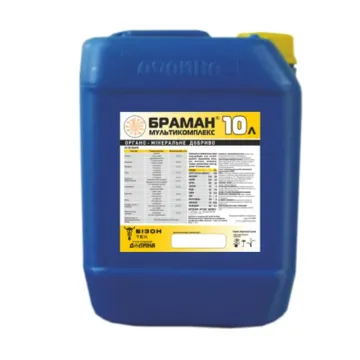


Nanit
Scientific-Production Company "Kvadrat", LLC
Fertilizers
0
0
·
55
13 offers
2.4 €за 1 кг
Купить
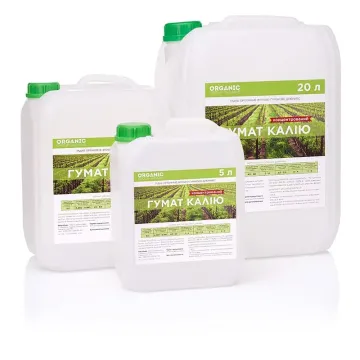
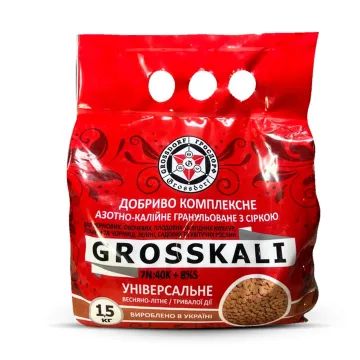


Zemax
Scientific-Production Company "Kvadrat", LLC
Fertilizers
0
0
·
52
4 offers
2.5 €за 1 кг
Купить

AVATAR-2
Scientific-Production Company "AVATAR", LLC
Fertilizers
0
0
·
48
5 offers
3.9 €за 1 кг
Купить
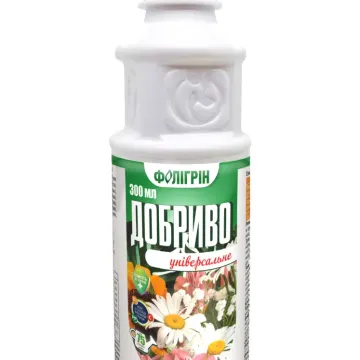

Mineral Fertilizer "QUANTUM"
Scientific-Production Company "Kvadrat", LLC
Fertilizers
0
0
·
47
8 offers
0.8 €за 1 кг
Купить

Alpha-Nano-Gro
Ф.Меатон Лімітед, Лондон, Великобританія.
Fertilizers
0
0
·
45
4 offers
95.1 €за 1 кг
Купить
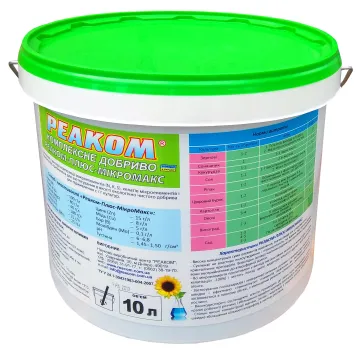
Reacom Plus (brands Amino, Corn, Microcomplex, MicroMax, O
Fertilizers
0
0
·
43
2 offers
5.3 €за 1 кг
Купить

Vitamin B.R.K.
Jiangsu Institute of Ecomones Co., Ltd.
Plant Growth Regulator
0
0
·
43
1 offer
1.1 €за 1 л
Купить


Alpha-Nano-Gro
Ф.Меатон Лімітед, Лондон, Великобританія.
Fertilizers
0
0
·
40
5 offers
95.1 €за 1 кг
Купить


GOLDEN CROP (GOLDEN CROP)
Agro-Nanotechnologies, LLC
Fertilizers
0
0
·
38
1 offer
12.2 €за 1 кг
Купить


Quantum
Scientific-Production Company "Kvadrat", LLC
Fertilizers
0
0
·
33
19 offers
0.2 €за 1 кг
Купить


Fortgreen Curative
Fortgreen Comercial Agricola S.A., CNPJ 0
Fertilizers
0
0
·
31
1 offer
0.5 €за 1 кг
Купить


NANOFEERTI
INTERREGIONAL SCIENTIFIC-PRODUCTION AGRIBUSINESS
Fertilizers
0
0
·
26
11 offers
4.3 €за 1 кг
Купить


Bio-Stimulant 5r Soil Boost EA (5R Soil Boost)
Про Аг, Інк., США
Fertilizers
0
0
·
44
No offers
—
Details

Liquid Nitrogen Fertilizers (CAS)
Акціонерне товариство «КУЙБИШЕВАЗОТ» (Російська Федерація
Fertilizers
0
0
·
39
No offers
—
Details


AgriGuardian MicroMix Complete™ (AgriGuardian MicroMix Complete™)
AgriGuardian International, LLC (USA)
Fertilizers
0
0
·
30
No offers
—
Details


CALCIUM-CONTAINING AMELIORANT WITH FERTILIZING ACTION BASED ON STEELMAKING SLAG
ArcelorMittal Kriviy Rih, JSC
Fertilizers
0
0
·
29
No offers
—
Details
