

Description
Silver (Ag) is not classified as an essential macronutrient or micronutrient for plants; however, it functions as a highly active biogenic agent in specific agricultural contexts. In modern cultivation, silver is primarily utilized in the form of nanoparticles or colloidal solutions, acting as a powerful elicitor of plant defense mechanisms and a potent antimicrobial agent.
The role of silver in plant health is centered on its antibacterial and antifungal efficacy. By releasing silver ions, these compounds interact with the cell membranes of phytopathogens, effectively disrupting their metabolic pathways. This makes silver an excellent additive for disease suppression, protecting crops against various bacterial blights, mildews, and soil-borne fungal pathogens.
Signs of silver excess or toxicity include stunted root development, chlorosis, and impaired photosynthesis. Because silver is not a nutrient that plants incorporate into their organic synthesis, excessive accumulation in the rhizosphere can be detrimental. High levels of silver can destabilize the microbial community of the soil, which indirectly reduces the efficiency of nutrient uptake, particularly nitrogen and phosphorus.
In commercial agriculture, silver is not typically formulated into standard fertilizers. Instead, it is found in specialized biostimulant packages or as a seed treatment additive. The objective is rarely nutrition, but rather the protection of germinating seeds and young seedlings from initial pathogen pressure, which allows the plant to focus its energy on rapid early-stage development.
Application of silver-based products requires precise dosage management to avoid phytotoxic effects. It is advised to apply these products as foliar sprays or seed coatings under low light conditions to prevent the degradation of silver ions. Farmers should view silver as a prophylactic protective tool rather than a mineral fertilizer, always following manufacturer instructions to ensure soil microbial safety.
Контент-граф
Connections · Silver
Most often together:
Marketplace
Products · 18
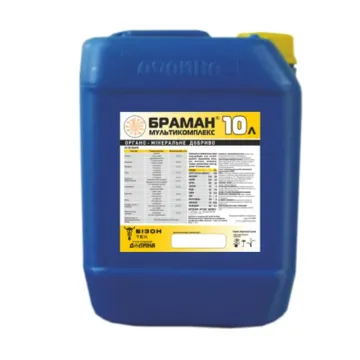


AVATAR-2
Scientific-Production Company "AVATAR", LLC
Fertilizers
0
0
·
48
5 offers
3.9 €за 1 кг
Купить

Alpha-Nano-Gro
Ф.Меатон Лімітед, Лондон, Великобританія.
Fertilizers
0
0
·
45
4 offers
95.1 €за 1 кг
Купить

Vitamin B.R.K.
Jiangsu Institute of Ecomones Co., Ltd.
Plant Growth Regulator
0
0
·
43
1 offer
1.1 €за 1 л
Купить

Alpha-Nano-Gro
Ф.Меатон Лімітед, Лондон, Великобританія.
Fertilizers
0
0
·
40
5 offers
95.1 €за 1 кг
Купить

GOLDEN CROP (GOLDEN CROP)
Agro-Nanotechnologies, LLC
Fertilizers
0
0
·
38
1 offer
12.2 €за 1 кг
Купить


Sokrat (brands NPK, Zn, P, K, S, Co, Mo, Ca, Se, Ag, Ti, J, V)
Долина
Fertilizers
0
0
·
26
3 offers
0.9 €за 1 кг
Купить
NANOFEERTI
INTERREGIONAL SCIENTIFIC-PRODUCTION AGRIBUSINESS
Fertilizers
0
0
·
26
11 offers
4.3 €за 1 кг
Купить

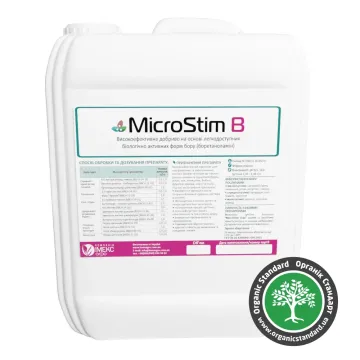


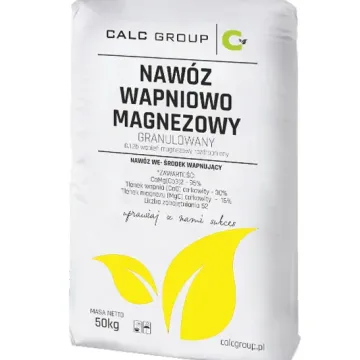
CALCIUM-CONTAINING AMELIORANT WITH FERTILIZING ACTION BASED ON STEELMAKING SLAG
ArcelorMittal Kriviy Rih, JSC
Fertilizers
0
0
·
29
No offers
—
Details