
Description
Chromium (Cr) is classified as an ultra-trace element that is not essential for the growth and development of higher plants. In modern agronomy, chromium is primarily monitored as an environmental pollutant rather than a nutrient, as it can accumulate in plant tissues and disrupt vital metabolic functions at relatively low concentrations.
The bioavailability and toxicity of chromium are heavily dependent on its oxidation state. While chromium is abundant in the Earth's crust, its hexavalent form, Cr(VI), is highly mobile and toxic to plant cells. In contrast, the trivalent form, Cr(III), is significantly less mobile and is often naturally sequestered in the soil matrix, making it less accessible for root uptake.
Visible signs of chromium toxicity include stunted root development, leaf chlorosis, and reduced photosynthetic efficiency. The presence of excess chromium inhibits the translocation of essential nutrients such as iron, manganese, and phosphorus from roots to shoots, which ultimately leads to a significant decrease in crop yield and biomass production.
There are no commercial fertilizers formulated with chromium because it does not provide any nutritional benefit to crops. Contamination usually arises from industrial activities, the application of municipal sewage sludge, or the use of phosphate fertilizers containing heavy metal impurities that accumulate in the topsoil layer over time.
Management of chromium in agricultural systems focuses on reducing its mobility. Practices such as liming play a crucial role, as increasing soil pH helps to precipitate chromium into insoluble forms. Additionally, maintaining high levels of organic matter can improve soil buffering capacity, thereby reducing the risk of chromium uptake by plant roots.
Контент-граф
Connections · Chromium
Most often together:
Marketplace
Products · 13


NANOFEERTI
INTERREGIONAL SCIENTIFIC-PRODUCTION AGRIBUSINESS
Fertilizers
0
0
·
26
11 offers
4.3 €за 1 кг
Купить
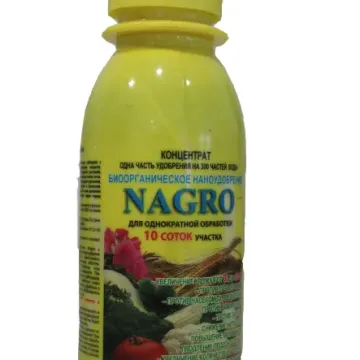
Биоорганическое нано удобрение "НАГРО" / "NAGRO"
LLC NPO "BIOPLAN"
Fertilizers
43
25
·
11.2K
No offers
—
Details


Bio-Stimulant 5r Soil Boost EA (5R Soil Boost)
Про Аг, Інк., США
Fertilizers
0
0
·
44
No offers
—
Details

Liquid Nitrogen Fertilizers (CAS)
Акціонерне товариство «КУЙБИШЕВАЗОТ» (Російська Федерація
Fertilizers
0
0
·
39
No offers
—
Details


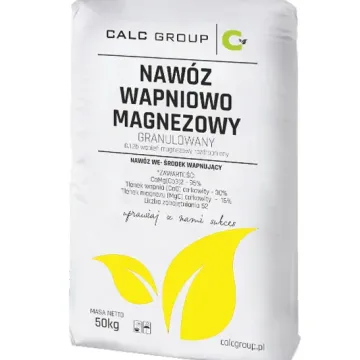
CALCIUM-CONTAINING AMELIORANT WITH FERTILIZING ACTION BASED ON STEELMAKING SLAG
ArcelorMittal Kriviy Rih, JSC
Fertilizers
0
0
·
29
No offers
—
Details