


SKU #40529
·
83 views
EPIKUR
Cabbage
SyngentaUser rating
0 votes0% positive reviews
No ratings yet — be the first.
Plant Type
White cabbage
Direction
Long-term storage, Recycling, Fresh Market
Maturation (seedlings)
120-130 days
Head / head; color
Green
Prices in stores
from12.8 €per 1000 pcs
3 offers from 3 stores
About product

Reliable mid-late hybrid with excellent long-term storage potential of up to 8 months.
Plant Type
White cabbage
Direction
Long-term storage, Recycling, Fresh Market
Maturation (seedlings)
120-130 days
Head / head; color
Green
Description
Technological Potential of Epikur Hybrid
The Epikur white cabbage hybrid by Syngenta represents a high-performance breeding solution designed to minimize post-harvest risks. The core value of this hybrid lies in its genetic resistance to pathogens that typically limit shelf life in commercial farming.
Resistance as a Foundation for Profitability
Syngenta breeders have focused on addressing two critical barriers: Fusarium wilt and internal necrosis. In intensive farming, Fusarium can cause significant yield losses during the vegetative stage. Epikur possesses inherent immunity, which reduces the need for frequent fungicidal treatments. Internal necrosis, which often occurs due to nutrient imbalances or temperature fluctuations, is minimized, ensuring high head quality upon long-term storage.
Agrotechnical Parameters
- Maturity: 120–130 days, classifying the hybrid as mid-late.
- Planting Density: 35,000–40,000 plants per hectare. This density ensures head weights of 2.0–4.0 kg, which are ideal for both logistics and industrial processing.
- Pest Resistance: The dense leaf structure and vigorous growth rate provide superior resistance to thrips, maintaining the aesthetic quality of the cabbage and reducing insecticidal input costs.
Storage Performance and Marketability
The ability to maintain quality for 6–8 months is a result of the dense internal structure and a balanced dry matter content. The rounded shape simplifies transport, while the tight leaf arrangement prevents deformation during storage stacking. The hybrid is versatile, suitable for the fresh market, sauerkraut production, and other processing needs, providing growers with flexibility in volatile market conditions.
Crop & resistance
Disease resistance
Pest resistance
Specifications hover over for a hint about the specification
| Plant Type | |
|---|---|
|
Direction
Direction
Existing varieties and types of cabbage are grown for fresh consumption, long-term storage, and technical processing. |
|
|
Maturation (seedlings)
Maturation (seedlings)
By the length of the vegetation period, cabbage varieties are conditionally divided into three maturity groups: early maturing (100 — 120 days), mid-season maturing (120 — 150 days), and late maturing (more than 150 days). When sowing cabbage seeds in March — April, cabbage seedl... |
120-130 days |
|
Head / head; color
Head / head; color
The color of the head / head depends on the genetic characteristics of the specific cabbage variety. It can vary from light green to dark purple. |
|
|
Head / Head; shape
Head / Head; shape
The head shape depends on the cabbage variety. Thus, in white-headed, red-headed, and savoy cabbage, it is round or flat-round, in colored cabbage — compact, and in Peking cabbage — barrel-shaped. |
|
|
Cabbage head; mass
Cabbage head; mass
The mass of the cabbage head depends on the variety characteristics and cultivation techniques. It can reach 10 kg and even more. |
2.0-3.0 kg, 3.0-4.0 kg |
|
Storage
Storage
Depending on the variety characteristics, the storage period for heads may vary from one month for early varieties to eight months for late cabbage varieties. |
6-8 months |
| Recommended Density | 35-40 thousand pcs/ha |
| Catalog | Catalog → Cabbage |
| Manufacturer | Syngenta |
| Country | Switzerland |
Store offers · 3 from 3 stores
Prices are updated on loadLoading offers…
Aggregator catalog: prices are collected automatically from store websites, normalized by AI and converted at the current exchange rate. Before ordering, confirm the price and availability on the store's website. This block is not indexed by search engines — the data is loaded after the page opens.
See also
Often considered together with this variety
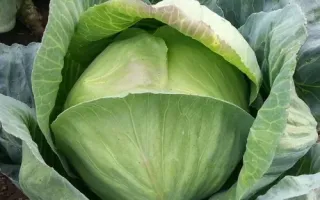


Recently viewed
Similar items in this catalog section


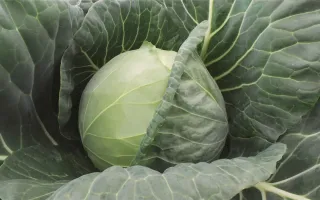

Fremont F1
Seminis Vegetable Seeds
From your browsing history
44.9K 2 offers
25.4 €за 1000 шт ≈ 1 297 ₴
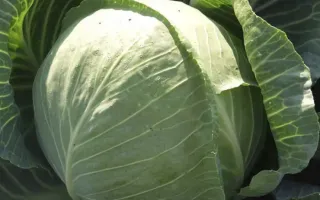


Pandion F1
Seminis Vegetable Seeds
From your browsing history
24.4K 10 offers
12 €за 1000 шт ≈ 613 ₴

Comments · 0