


SKU #60994
·
39 views
CORAB
Sugar Beet
AURORA S.P.A.User rating
0 votes0% positive reviews
No ratings yet — be the first.
Direction Type
Normal-Yield Type (NE), Normal Type (N)
Root vegetable; size
Large
Root; shape
Broadly conical
Sugar Content
16-17%
About product

CORAB is a sugar beet hybrid designed for cultivation in the Central-Black Earth and North-Caucasus regions. It belongs to medium-maturing high-yield and sugar-containing varieties and is characterized by high productivity. In the Central-Black Earth region, the hybrid exceeded the standard by 52 c/ha in root yield, 0.4% in sugar content, and 10.9 c/ha in sugar harvest, with an average root mass o…
Direction Type
Normal-Yield Type (NE), Normal Type (N)
Root vegetable; size
Large
Root; shape
Broadly conical
Sugar Content
16-17%
Description
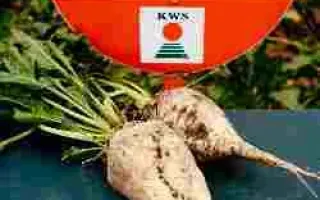
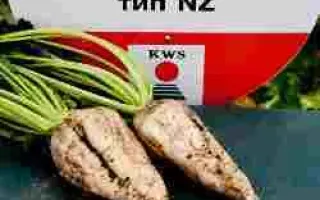
CORAB is a sugar beet hybrid designed for cultivation in the Central-Black Earth and North-Caucasus regions. It belongs to medium-maturing high-yield and sugar-containing varieties and is characterized by high productivity. In the Central-Black Earth region, the hybrid exceeded the standard by 52 c/ha in root yield, 0.4% in sugar content, and 10.9 c/ha in sugar harvest, with an average root mass of 547 g. In the North-Caucasus region, the plant features a larger root weighing 748 g, an average yield of 628 c/ha, 16.4% sugar content, and a sugar harvest of 110.8 c/ha. The plant is tall, the root is broadly conical, and it is a single-seed diploid hybrid on a sterile N-type background.
The CORAB hybrid exhibits resistance to major sugar beet diseases: root eelworm and Cercospora lesions are weak, root rot occurs to a moderate degree, and powdery mildew is weakly expressed. In the North-Caucasus region, resistance to Cercospora is assessed as moderate. These characteristics make the hybrid a reliable choice for agrarians seeking high and quality yields.
To achieve maximum yield and sugar content when growing CORAB, it is crucial to properly organize the fertilization system. Soil analysis helps determine needs for major nutrients. Nitrogen fertilizers primarily affect root yield, while phosphorus-potassium nutrition promotes higher sugar content. This agronomic approach ensures optimal conditions for hybrid development and the production of high-quality raw material for the sugar industry.
The CORAB hybrid exhibits resistance to major sugar beet diseases: root eelworm and Cercospora lesions are weak, root rot occurs to a moderate degree, and powdery mildew is weakly expressed. In the North-Caucasus region, resistance to Cercospora is assessed as moderate. These characteristics make the hybrid a reliable choice for agrarians seeking high and quality yields.
To achieve maximum yield and sugar content when growing CORAB, it is crucial to properly organize the fertilization system. Soil analysis helps determine needs for major nutrients. Nitrogen fertilizers primarily affect root yield, while phosphorus-potassium nutrition promotes higher sugar content. This agronomic approach ensures optimal conditions for hybrid development and the production of high-quality raw material for the sugar industry.
Crop & resistance
Disease resistance
Specifications hover over for a hint about the specification
| Direction Type | |
|---|---|
| Root vegetable; size | |
|
Root; shape
Root; shape
Roots can be round, elongated-round, cylindrical, conical. |
|
| Sugar Content | 16-17% |
| Catalog | Catalog → Sugar Beet |
| Manufacturer | AURORA S.P.A. |
| Originator | AURORA S.P.A. |
| Originator | Wielkopolska Hodowla Buraka Cukrowego Sp.Z.O.O |
| Originator | Szota Zdzislaw |
| Country | Italy |
Store offers
Prices are updated on loadLoading offers…
Aggregator catalog: prices are collected automatically from store websites, normalized by AI and converted at the current exchange rate. Before ordering, confirm the price and availability on the store's website. This block is not indexed by search engines — the data is loaded after the page opens.
See also
Often considered together with this variety


Recently viewed
Similar items in this catalog section








Comments · 0