

Description
Ants (Formicidae) are insects belonging to the order Hymenoptera. In agriculture and horticulture, they are classified as significant pests, primarily due to their symbiotic relationships with sap-sucking insects and the physical damage they inflict on the root systems of various crops during nest construction.
They infest a wide range of plants, including ornamental flowers, berry bushes, fruit trees, and various vegetable crops. Seedlings are at the highest risk, as the digging activity of ants in the root zone causes soil desiccation, leading to stunted growth or even total death of the young plants.
The biology of ants involves a complete metamorphosis (egg, larva, pupa, and adult). They are social insects living in colonies with a strict caste system. Their life cycle is highly active during the growing season, during which they focus on expansion and food gathering, frequently relocating aphid colonies to fresh, succulent plant tissues.
The primary harmful effect is the protection and dispersal of aphids. By guarding aphids against natural predators such as ladybugs and lacewings, ants ensure the rapid reproduction of these secondary pests. This infestation results in severe damage to foliage, reduced photosynthesis, and potential transmission of plant viruses, which significantly lowers overall crop yield.
Effective control strategies require a combination of techniques. These include the use of physical barriers like sticky bands on trees to prevent access, application of specialized bait stations containing slow-acting insecticides, and direct treatment of mounds with granular or liquid insecticides. Maintaining a clean environment and controlling aphid populations is essential to reducing the attractiveness of the garden to ants.
Biology
Taxonomy
- Latin name
- Formicidae
- Order
- Hymenoptera
- Family
- Formicidae
Taxonomy and Latin: EPPO Global Database · code 1FORMF
Контент-граф
Connections · Ants
Most often together:
Marketplace
Products · 5

Ant-Mound
ЗАТ Фірма Август, Росія.,селище Вурнари,
Insecticides, Acaricides
0
0
·
37
4 offers
132.9 €за 1 л
Купить
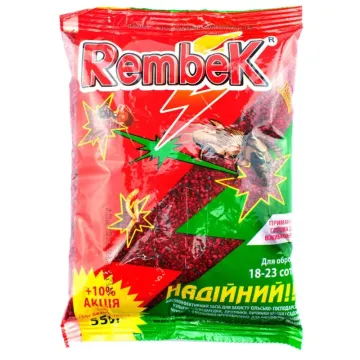
Rembek
Scientific-Production Company "Kvadrat", LLC
Insecticides, Acaricides
0
0
·
21
11 offers
0.7 €за 1 л
Купить
Community
Discussion
No discussions yet — be the first.