
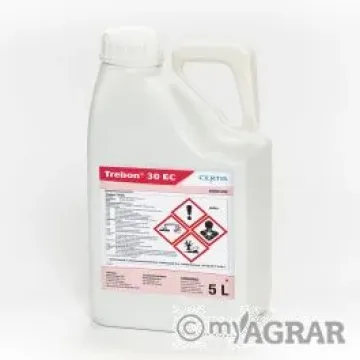
Description
Etofenprox is a potent insecticide belonging to the oxime ether class. Structurally, it is closely related to pyrethroids, but the absence of an ester linkage in its chemical structure distinguishes it from standard pyrethroids, often resulting in lower toxicity to mammals while maintaining high efficacy against a wide range of insect pests in various agricultural settings.
The mode of action of etofenprox involves disrupting the insect's nervous system. By acting on the sodium channels of nerve membranes, it triggers prolonged depolarization, which interrupts signal transmission. This rapid physiological failure leads to paralysis and death of the pest. The substance acts via both contact and ingestion, providing a strong knockdown effect that is highly valued for immediate pest suppression.
It is commonly used on a variety of crops, including rice, fruits, vegetables, and cereals. Etofenprox is effective against a diverse array of pests, such as aphids, thrips, beetles, moths, and plant bugs. Its ability to provide rapid control makes it an essential tool for farmers managing sudden infestations that threaten crop yield and quality during critical growth stages.
Application guidelines emphasize the importance of thorough coverage. Due to its contact nature, ensuring that the spray solution hits the pest directly is crucial for maximum impact. The compound is known for its good photostability and resistance to being washed off by rain, which helps maintain protection levels in outdoor conditions even when weather patterns are unstable.
- Always wear appropriate PPE, including gloves and face protection.
- Avoid spraying during periods of bee activity to protect pollinators.
- Respect the pre-harvest interval (PHI) as specified by the product label.
- Store in a cool, dry place away from direct sunlight.
- Dispose of empty containers according to local environmental regulations.
Strict adherence to safety precautions is required during preparation and application. Etofenprox is toxic to aquatic organisms and bees; therefore, it should not be applied near water bodies or during the flowering phase of plants attractive to pollinators. Following the manufacturer’s instructions regarding dosage and application timing is key to both efficacy and environmental stewardship.
Regulatory
Status in the European Union
Approved in the EU
- CAS number
- 80844-07-1
- Approved from
- 01.01.2010
- Approval until
- 31.03.2027
- ADI
- 0.03 mg/kg bw/day
- ARfD
- 1.0 mg/kg bw
- AOEL
- 0.06 mg/kg bw/day
Hazard classification (CLP)
Aquatic Acute 1 - H400Aquatic Chronic 1 - H410Lact. - H362
EU legislation
Regulatory status data: EU Pesticides Database © European Union, CC BY 4.0. EU status is for reference only and does not replace national registration in your country.
Контент-граф
Connections · Etofenprox
Most often together:
Marketplace