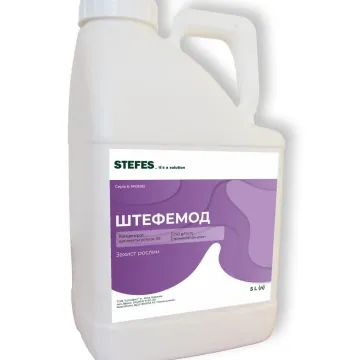
Description
Trinexapac-ethyl is a chemical substance belonging to the cyclohexanecarboxylic acid class. It is widely utilized in professional agriculture as a plant growth regulator (PGR), specifically functioning as a retardant that effectively limits vertical stem growth in various plant species.
The mechanism of action for this compound is centered on the inhibition of gibberellin biosynthesis. By blocking the activity of the 3-beta-hydroxylase enzyme, trinexapac-ethyl prevents the conversion of inactive precursors into active gibberellins, which are essential for cell elongation. This results in shorter internodes and stronger stem tissues.
This substance is primarily applied to cereal crops such as wheat, barley, and rye to prevent lodging, which is the bending over of stems near the ground. Furthermore, it is a standard tool in turfgrass management, where it is used to slow down the growth rate of grass, reducing mowing frequency and enhancing the aesthetic and physiological quality of the turf.
Optimal timing is the most critical factor for successful application. Agronomists recommend applying the substance during the early growth stages, specifically when the stems are beginning to elongate. If the application is delayed, the regulatory effect on stem structure is significantly diminished, potentially leading to poor field performance.
Users must follow strict safety protocols during the handling of this product. It is recommended to perform accurate calibration of spraying equipment to ensure uniform coverage. Environmental conditions, such as temperature and soil moisture, should also be evaluated before application to ensure the crop is physiologically capable of responding to the treatment without suffering from stress.
Контент-граф
Connections · Trinexapac-ethyl
Most often together:
Marketplace
Products · 18