

Active ingredient
Especially harmful
Glufosinate-ammonium
Description
Glufosinate-ammonium is a highly effective, non-selective herbicide belonging to the phosphinic acid chemical class. It is widely recognized for its broad-spectrum control of both annual and perennial grasses and broad-leaved weeds. Due to its unique chemical structure and activity, it serves as a cornerstone in modern integrated weed management programs, particularly in systems where weed resistance to other herbicides has developed.
The mechanism of action of glufosinate-ammonium involves the inhibition of the enzyme glutamine synthetase. This inhibition prevents the plant from assimilating ammonia, leading to a toxic buildup of ammonia within the leaves. Consequently, photosynthesis is disrupted, and plant tissues begin to wither and die rapidly. Because it is a contact herbicide, it provides excellent foliage burn-down without significant translocation within the plant vascular system.
In agricultural practice, glufosinate-ammonium is applied to various crops such as corn, soybeans, canola, and potatoes. Its ability to act as a desiccant makes it valuable during the harvest stage, as it dries out the crop canopy and weeds, allowing for cleaner and more efficient mechanical harvesting. It is also used extensively in orchards and vineyards to manage vegetation between rows where precision is required.
Successful application depends heavily on environmental conditions and application technique. The herbicide works best when plants are actively growing and exposed to bright sunlight, which facilitates the metabolic processes that the herbicide disrupts. Users should aim for thorough coverage of the target weeds, as contact with the leaf surface is essential for the product to be effective.
Safety and handling are paramount when utilizing glufosinate-ammonium. Protective gear, including gloves and face protection, is required to prevent irritation and exposure. It is crucial to manage spray drift, as the product is non-selective and will damage any green plant tissue it contacts. Proper storage in a secure, climate-controlled facility away from water sources is necessary to ensure long-term stability and environmental safety.
- Provides rapid control of competitive weeds.
- Useful as a desiccant for harvest preparation.
- Controls weeds resistant to glyphosate.
- Requires thorough coverage for maximum efficacy.
Regulatory
Status in the European Union
Not approved in the EU
- CAS number
- 77182-82-2
- Category (EU)
- HB - Herbicide
- Approved from
- 01.10.2007
- Approval until
- 31.07.2018
- ADI
- 0.021 mg/kg bw/day
- ARfD
- 0.021 mg/kg bw
- AOEL
- 0.0021 mg/kg bw/day
Hazard classification (CLP)
Acute Tox. 4 - H302Acute Tox. 4 - H312Acute Tox. 4 - H332Repr. 1B - H360FDSTOT RE 2 - H373
EU legislation
Regulatory status data: EU Pesticides Database © European Union, CC BY 4.0. EU status is for reference only and does not replace national registration in your country.
Контент-граф
Connections · Glufosinate-ammonium
Most often together:
Marketplace
Products · 17
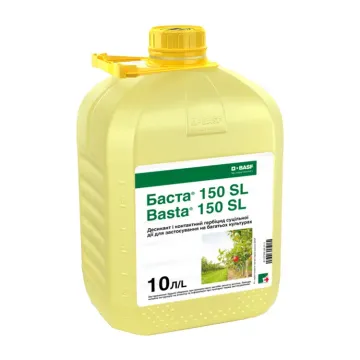

Test
Джінгма Кемікалс Ко., Лтд., Жеджян, Китай
Herbicides, Desiccants
1
0
·
1.9K
2 offers
8.1 €за 1 л
Купить


Basnate Extra (Basnate Extra)
Shandong Weifang Rainbow
Herbicides, Desiccants
0
0
·
54
1 offer
12.87 €
Купить


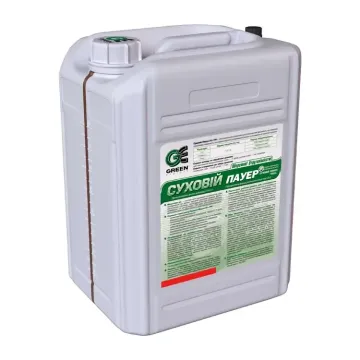
Dry Power
Zhejiang Xinan Chemical Industrial Group
Herbicides, Desiccants
0
0
·
33
6 offers
0.3 €за 1 л
Купить


GALANT, RK (ammonium glyphosate, 150 g/l)
ТОВ «Фабрика агрохімікатів», Черкаси, Україна
Herbicides, Desiccants
0
0
·
30
3 offers
3.2 €за 1 л
Купить
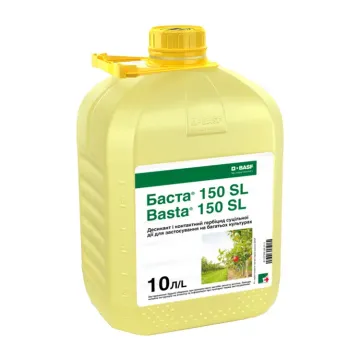

LIFELINE (LIFELINE)
Superform Chemistries Limited
Herbicides, Desiccants
0
0
·
26
7 offers
13.2 €за 1 л
Купить
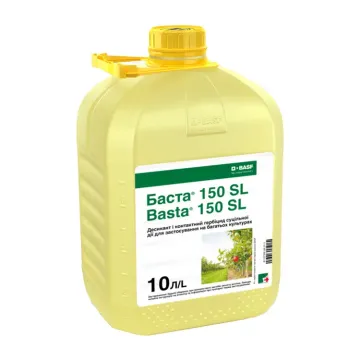
Organic-mineral fertilizer «Natural amino acids with enzymatic hydrolysis»
ELITE TRADE, LLC
Fertilizers
0
0
·
18
No offers
—
Details