
Description
African boxwood (Myrsine africana L.) is a perennial evergreen shrub that belongs to the Primulaceae family. Despite its common name, it is not a true boxwood (Buxus), but it shares a similar visual appeal due to its dense, glossy foliage and compact habit. This makes it an excellent choice for formal gardens and decorative container plantings.
Native to Southern and Eastern Africa, as well as parts of Asia, this shrub is accustomed to rocky, well-drained habitats. Its natural resilience allows it to thrive in various climates, although it is best suited for subtropical and Mediterranean zones where it can be grown outdoors year-round. In colder climates, it is widely utilized as a decorative greenhouse or indoor plant.
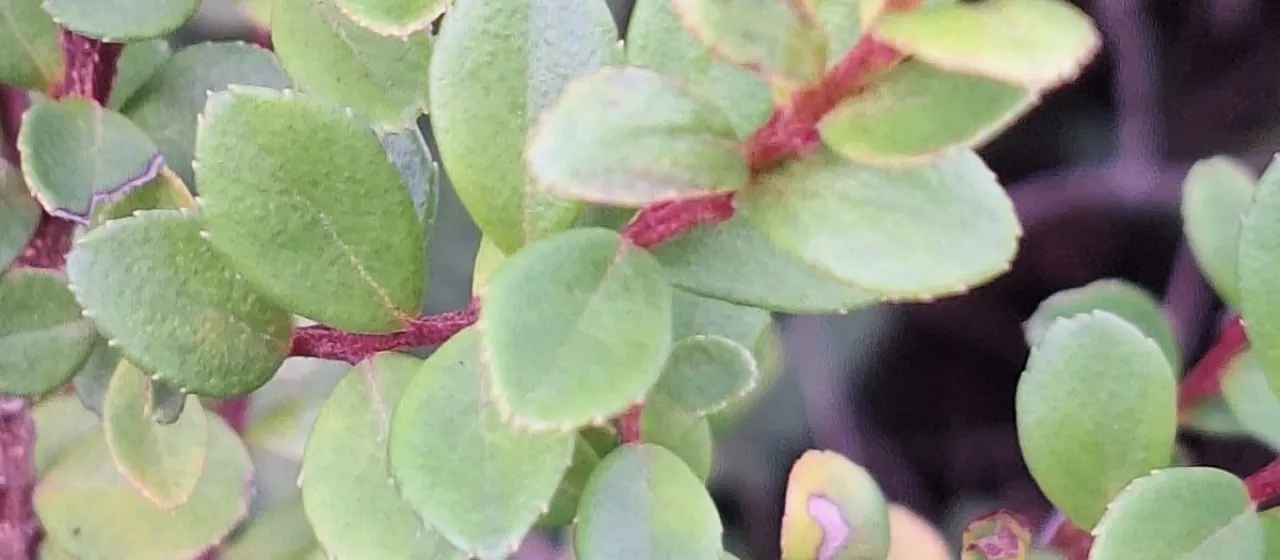
Botanically, Myrsine africana is characterized by its small, leathery, serrated-edged leaves that grow on reddish stems. It is a dioecious species, meaning there are separate male and female plants. When pollinated, the female plants produce small, purple-blue berries that add additional ornamental value. The shrub is prized by gardeners for its slow growth rate and ability to tolerate frequent pruning.
Cultivation requirements involve providing a well-draining soil medium and avoiding waterlogged roots, which can be fatal to the plant. It performs best in neutral to slightly acidic soil. While it can withstand periods of drought once established, regular watering is recommended during the peak growing season. It prefers partial shade to full sun, provided it is protected from intense, scorching afternoon rays.
Agricultural and landscape applications for this plant include:
- Construction of low-maintenance hedges and topiary designs.
- Use in rock gardens or as a groundcover in suitable climates.
- Popularity in the art of bonsai due to its naturally small leaf size.
- Commercial use of foliage in the floral industry for filler material.
The main pests that affect African boxwood include spider mites and mealybugs, particularly when the plant is kept in environments with low humidity. Diseases are generally limited to root rot, which is almost exclusively caused by overwatering or poor soil drainage. Maintaining proper airflow and monitoring irrigation schedules are the most effective ways to ensure the longevity and health of the shrub.