
Description
Myrsine divaricata, commonly known as the Weeping matipo, is a distinctive evergreen shrub belonging to the Primulaceae family. It is highly valued for its intricate, zig-zagging branch structure, which creates a dense and impenetrable thicket, making it a unique botanical specimen for gardens and managed landscapes.
The plant originates from New Zealand, where it is found across various elevations and soil types. Its native habitat ranges from coastal scrub to subalpine forests, indicating a high level of resilience to environmental stress, particularly strong winds and cool, fluctuating temperatures during the growing season.
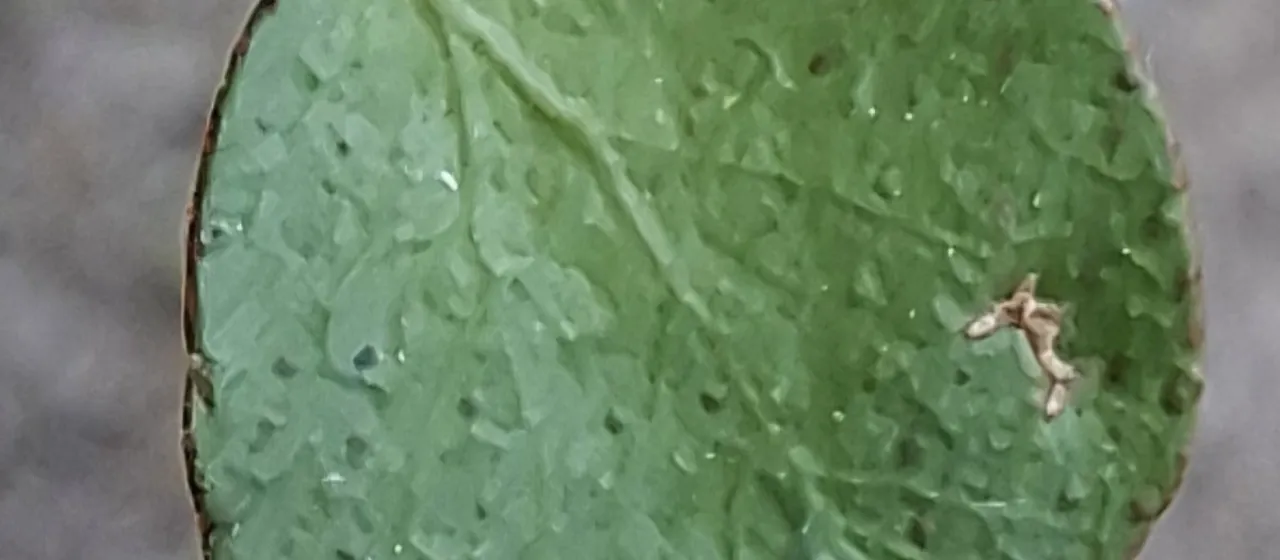
Botanically, the species is characterized by small, heart-shaped, leathery leaves clustered along interlaced stems. It produces inconspicuous flowers followed by attractive dark-purple to violet berries. These berries are not only aesthetic but also serve as a vital food source for avian species in its natural ecosystem.
Agronomic requirements emphasize the necessity of well-drained, slightly acidic soil. While the plant can tolerate various light conditions, it performs best in positions with moderate sunlight. Proper air circulation is crucial to prevent fungal infections, and irrigation should be managed to avoid waterlogging, which the plant does not tolerate well.
In professional landscaping, it is utilized for hedging, screening, or as an ornamental structural shrub. Maintenance is generally low, but growers should be vigilant for common pests such as scale insects or aphids. Regular, light pruning helps maintain the desired form and density of the plant, preventing it from becoming overly tangled or woody over time.