
Description
Red matipo (Myrsine australis) is a hardy evergreen shrub belonging to the Primulaceae family. Native to New Zealand, this species is highly valued for its versatility in both wild habitats, ranging from coastal areas to mountain scrub, and in commercial landscaping projects.
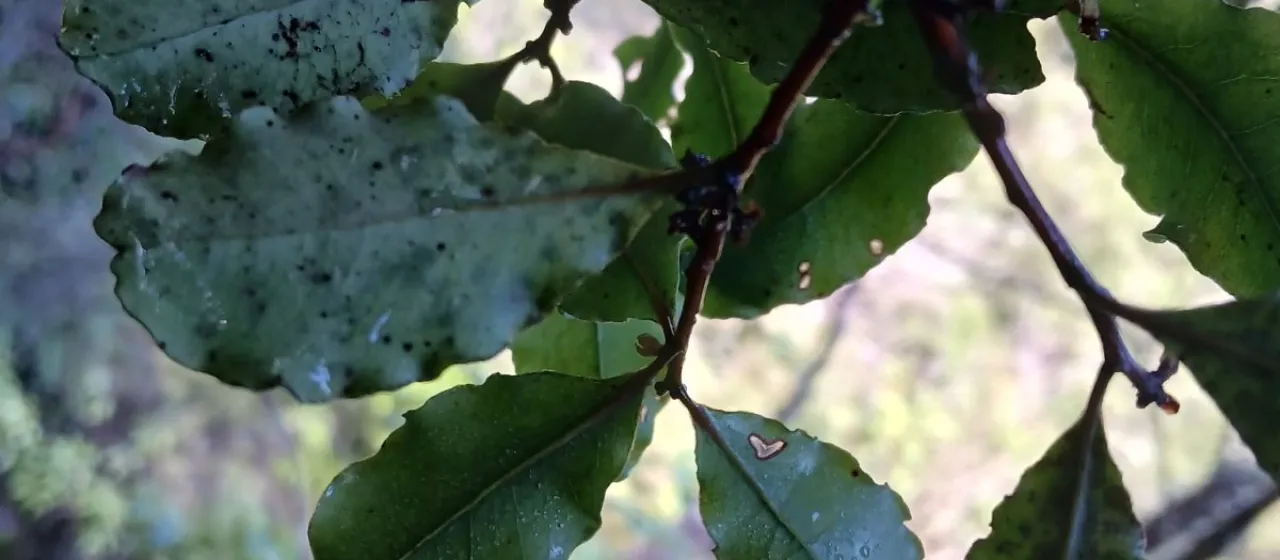
The plant is botanically distinguished by its distinctive wavy-edged, leathery leaves and a dense branching habit. During its growth cycle, it produces tiny, inconspicuous flowers that transition into dark purple or black berries. These fruits serve as a significant ecological component, supporting local avian populations.
Regarding cultivation requirements, Red matipo thrives in well-drained soil types. While it prefers fertile, moist conditions, it is notoriously adaptable and can survive in poor soils once established. It flourishes in both full sun and semi-shaded environments, demonstrating resilience to the maritime conditions that often limit the growth of other ornamental species.
Agrotechnical management typically focuses on structural pruning. Regular trimming not only maintains a compact and aesthetically pleasing shape but also encourages denser foliage, which is essential when the shrub is used as a formal hedge or a windbreak. Propagation is generally achieved through seeds or semi-hardwood cuttings.
- Requires well-drained soil to prevent root rot.
- Pruning should be done annually to encourage fullness.
- Monitor for common pests such as scale insects and aphids.
- Provide protection during extreme frost events in non-native climates.
Common phytosanitary issues include leaf spot diseases, which are usually a result of excessive humidity or lack of airflow. By maintaining appropriate spacing and ensuring adequate soil drainage, growers can significantly reduce the risk of infestation and disease, ensuring the long-term health and vigor of the plantings.