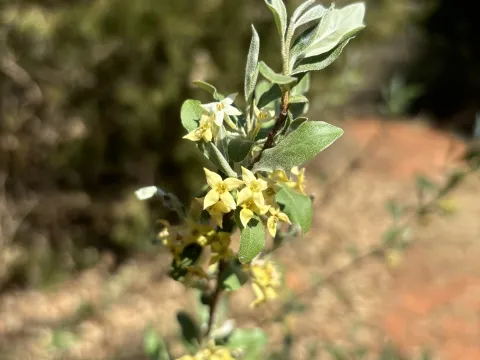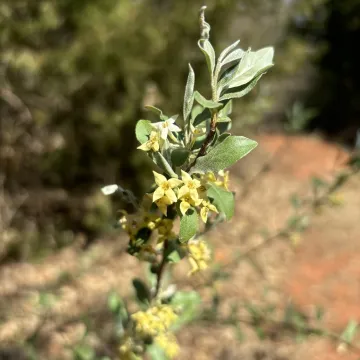
Autumn olive
Elaeagnus umbellata Thunb.
Description
Autumn olive (Elaeagnus umbellata) is a deciduous shrub belonging to the family Elaeagnaceae. It is characterized by its spreading habit and silver-scaled foliage, which provides a distinct ornamental look. A vital biological feature of this plant is its symbiotic relationship with nitrogen-fixing actinobacteria located in its root nodules, allowing the shrub to thrive in nutrient-poor soils while naturally fertilizing the surrounding land.
Native to East Asia, including China, Japan, and Korea, the Autumn olive has a wide ecological range. It was introduced to various parts of the world, including North America, for soil stabilization and wildlife habitat restoration. Its high adaptability to diverse climatic conditions, ranging from hot summers to cold winters, makes it a resilient choice for diverse agricultural and environmental projects.
When cultivating the Autumn olive, site selection is crucial. It requires full sun exposure to ensure maximum fruit production and healthy growth. The plant is highly tolerant of varying soil pH levels and textures, including rocky or sandy soils. Standard agro-technical practices involve initial training of the shrub's structure, occasional pruning to maintain size, and monitoring moisture levels during the first years of establishment.
The economic value of this species lies in both its culinary and ecological applications. The berries, known for their high concentrations of lycopene and essential vitamins, are harvested for fresh consumption and processing into jams or juices. Beyond human consumption, the plant is highly valued for supporting biodiversity, serving as a primary food source for birds and an excellent forage plant for honeybees.
Maintenance and plant health management should focus on several key areas:
- preventing fungal issues through proper spacing and airflow in the canopy;
- monitoring for scale insects or aphids which may affect the leaves and stems;
- managing site invasive potential by ensuring proper containment if necessary;
- applying organic mulches to suppress weed competition during the early growth phase.
Photo gallery