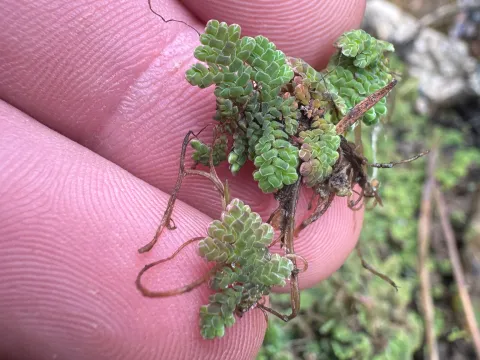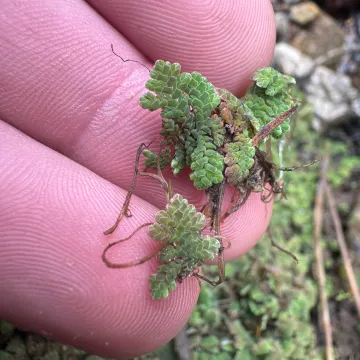
Azolla pinnata
Azolla pinnata
Description
Azolla pinnata is a species of free-floating aquatic fern belonging to the Salviniaceae family. It is highly valued in sustainable agriculture due to its symbiotic relationship with the nitrogen-fixing cyanobacteria Anabaena azollae, which reside in specialized leaf cavities.
Native to tropical and subtropical regions across Asia, Africa, and Australia, this plant is commonly found in stagnant water bodies and paddy fields. It has been cultivated for centuries, particularly in Southeast Asia, where it is utilized to enhance soil fertility without the need for synthetic chemical fertilizers.
Botanically, the plant is characterized by a branched, feathery frond structure that rests on the surface of the water. Its rapid growth rate is attributed to vegetative reproduction, where the plant fragments into smaller pieces, each capable of growing into a new colony, allowing for massive population expansion in short periods.
Successful cultivation requires specific environmental conditions, including moderate temperatures (20–30°C), sufficient sunlight, and water with an appropriate pH level. Phosphorus availability is critical, as it acts as a primary nutrient that triggers the explosive growth of the fern. Shallow, still water bodies are preferred to maintain stability.
The agricultural and environmental applications are diverse:
- Bio-fertilizer in rice paddies to provide organic nitrogen.
- High-protein nutritional supplement for poultry, swine, and livestock feed.
- Phytoremediation tool for extracting excess nutrients and heavy metals from wastewater.
- Natural cover to reduce water evaporation and suppress weed growth.
Common challenges in farming Azolla pinnata involve pest infestations, particularly by leaf-eating insects that can devastate large colonies. Pathogenic fungi may also infect the plants under conditions of poor ventilation or extreme overcrowding. Maintaining optimal density and regular harvesting are essential practices to ensure a healthy and high-yielding crop.
Photo gallery