Boehmeria longispica
Boehmeria longispica
Description
Boehmeria longispica is a perennial herb or subshrub belonging to the Urticaceae family. Unlike some of its relatives, it is not urticant, making it safe for agricultural handling. This species is gaining attention in sustainable agriculture as a promising source of high-quality bast fiber, known for its exceptional tensile strength and durability in textile applications.
Native to East Asia, particularly China and Japan, this plant thrives in warm, temperate to subtropical climates. It typically inhabits moist valleys, riverbanks, and woodland edges, which gives farmers a clear indication of its requirements: consistent moisture, protection from extreme winds, and soil that retains nutrients while maintaining good drainage.
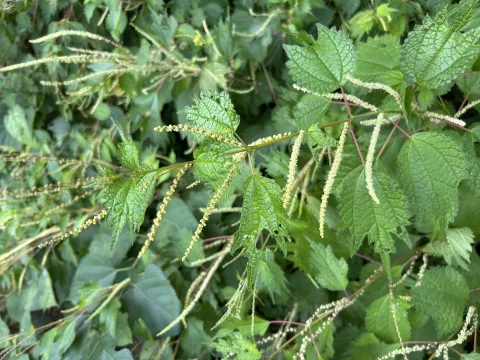
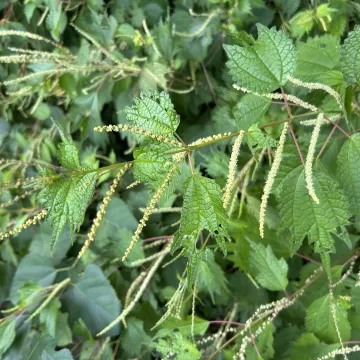
Botanically, the plant is characterized by its erect, non-stinging stems and ovate-lanceolate leaves with serrated margins. The inflorescences appear as long, spiky racemes, which are distinctive during the reproductive phase. The plant develops a robust, perennial root system, allowing it to regenerate effectively over multiple growing seasons if managed properly.
Cultivation requirements for Boehmeria longispica center on nutrient-rich, deep, and slightly acidic to neutral soils. In terms of agronomy, the crop benefits from well-distributed irrigation throughout the peak growth months. Growers should focus on maintaining adequate soil fertility through the incorporation of organic matter, as nitrogen levels significantly impact fiber yield and stem length.
Industrially, the primary use of this crop is for its bast fiber, which is processed to produce durable yarns and fabrics. The fiber is praised for its resistance to rot and high moisture absorption, making it an excellent candidate for eco-friendly textiles, heavy-duty cords, and specialized paper manufacturing. As global demand for natural fibers rises, this crop offers a sustainable alternative to synthetic materials.
- Excellent tensile strength and durability.
- Natural resistance to common agricultural pests.
- Sustainable, perennial harvesting cycle.
- High biomass production potential.
Agricultural management must account for potential issues such as fungal pathogens, which can occur if the plant is subjected to waterlogged soil or poor ventilation. Integrated pest management, including regular crop inspection and maintaining proper plant spacing, is essential for ensuring healthy growth and maximizing harvest yields throughout the operational years.
Photo gallery