Boehmeria penduliflora
Boehmeria penduliflora
Description
Boehmeria penduliflora is a perennial shrub belonging to the Urticaceae family. Unlike its wild relatives, this plant is cultivated specifically for its fibrous bast, which is highly valued for producing durable natural textiles and ropes, often serving as a sustainable alternative to synthetic fibers.
The native range of this species extends across tropical and subtropical Asia, particularly in regions with high humidity and moderate temperatures. In its natural habitat, it thrives in well-shaded forest understories and along riverbanks, which provides important insights for commercial greenhouse or open-field cultivation strategies.
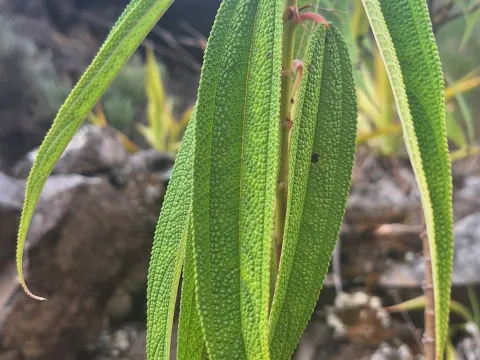
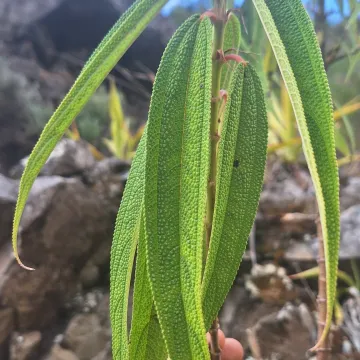
Botanically, it is characterized by an upright stem structure and opposite, lanceolate leaves. Its most distinctive feature is its pendulous inflorescences, which distinguish it from other members of the genus. The plant is resilient and possesses a vigorous root system, allowing for multiple harvests over several years from a single planting.
Successful cultivation requires fertile, well-drained loamy soils and consistent moisture levels throughout the growing season. Agronomic management involves regular pruning to encourage the development of straight, high-quality stems, which are essential for manual or mechanical fiber extraction processes without damaging the plant's structural integrity.
The economic value of Boehmeria penduliflora lies primarily in the textile industry, where its long, strong fibers are processed into high-quality yarns. Furthermore, it is increasingly being recognized for its role in soil conservation and slope stabilization in regions where erosion is a significant agricultural challenge.
- Superior tensile strength of the processed fiber.
- High biomass production potential per hectare.
- Resilience to common horticultural pests.
- Long lifespan of the perennial rootstock.
Photo gallery