Sea clubrush
Bolboschoenus planiculmis
Description
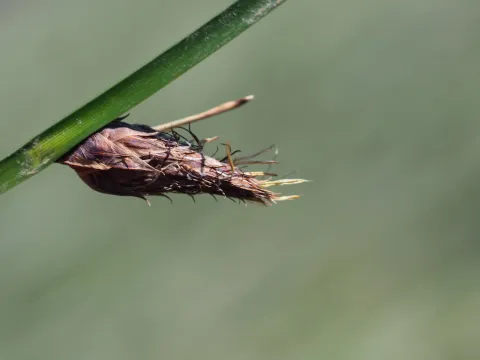
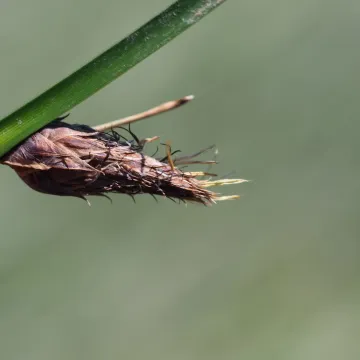
Sea clubrush (lat. Bolboschoenus planiculmis) is a perennial herbaceous plant belonging to the Cyperaceae family. It is a highly adaptable species typically found in wetlands, marshy areas, and irrigation systems, where it often forms dense clusters that dominate the local vegetation.
The plant is widely distributed across temperate regions of Eurasia. In agricultural landscapes, particularly in rice-growing zones, it is frequently classified as a troublesome weed due to its aggressive growth pattern and ability to outcompete crops for light, space, and nutrients. Its adaptability to varying water levels allows it to thrive in diverse ecological niches.
The botanical structure of the sea clubrush features a triangular stem and a sophisticated underground root system characterized by tubers. These tubers act as primary storage organs and are the main mechanism for vegetative propagation, enabling the plant to survive adverse conditions like prolonged drought or deep flooding during the dormant period.
Regarding cultivation and management, the plant requires high soil moisture levels to flourish. Agrotechnical control measures against this species often involve deep tilling to disturb the rhizomes and the targeted application of herbicides during the active growth phase. Managing this plant requires a deep understanding of its life cycle and the environmental triggers that stimulate tuber sprouting.
Economically, the sea clubrush is utilized in traditional handicrafts, including weaving and matting, due to its durable and flexible stems. Beyond traditional uses, it plays a vital role in ecological restoration projects, specifically in phytoremediation, as it is effective at filtering pollutants and excess nutrients from runoff water, thereby improving the quality of aquatic ecosystems.
- Strong potential for vegetative expansion via specialized tubers.
- High efficiency in nutrient uptake, beneficial for water treatment.
- Competitive nature requires systematic management in agricultural settings.
- Structural durability of stems for technical and handicraft applications.
Photo gallery