Yagara bulrush
Bolboschoenus yagara
Description
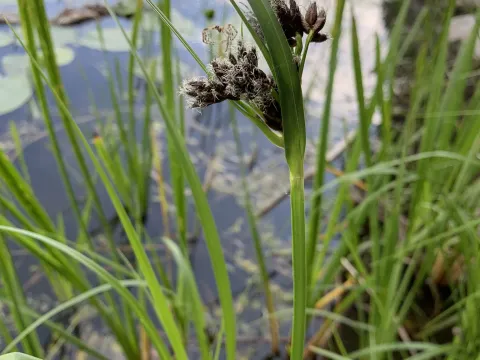
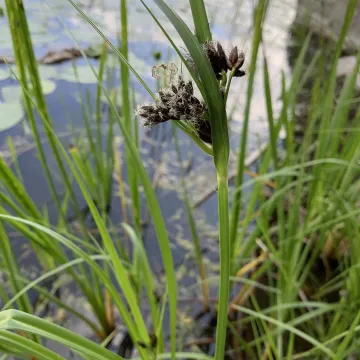
Yagara bulrush (Bolboschoenus yagara) is a perennial herbaceous plant belonging to the Cyperaceae family. It is recognized as a significant species within wetland ecosystems, often categorized as an aquatic or semi-aquatic crop due to its unique physiological adaptations and the presence of nutrient-rich tubers.
The species is primarily native to East Asia, including regions across China, Japan, Korea, and the Russian Far East. Its natural habitat includes shallow water bodies, marshes, and periodically flooded plains. The plant has evolved to thrive in soil conditions characterized by high saturation and reduced oxygen availability.
Botanically, the Yagara bulrush is defined by its triangular stems and narrow leaves, reaching heights of up to one meter. The most distinctive feature is its subterranean stolon system, which terminates in starchy tubers. These storage organs are crucial for the plant's survival during winter dormancy and its rapid growth during the spring season.
Agronomically, the crop requires deep, nutrient-rich, silty soils with consistent moisture levels. Successful cultivation involves maintaining specific water depths throughout the growing season and ensuring proper soil aeration in non-flooded periods. The plant demonstrates remarkable resilience and high biomass production under optimal moisture conditions.
Economic uses of the Yagara bulrush are diverse and include:
- Source of starch for traditional food production.
- Forage material for livestock and waterfowl in extensive farming systems.
- Phytoremediation of aquatic ecosystems, helping to reduce nitrogen and phosphorus loads.
- Utilisation as a raw material for weaving natural fiber products.
In terms of plant health, the Yagara bulrush is generally robust. However, it can be susceptible to fungal pathogens like rusts and root rots when water circulation is poor. Insect pests, including stem borers and various coleopteran larvae, may occasionally impact plant vigor, necessitating careful monitoring of the crop canopy.
Photo gallery